
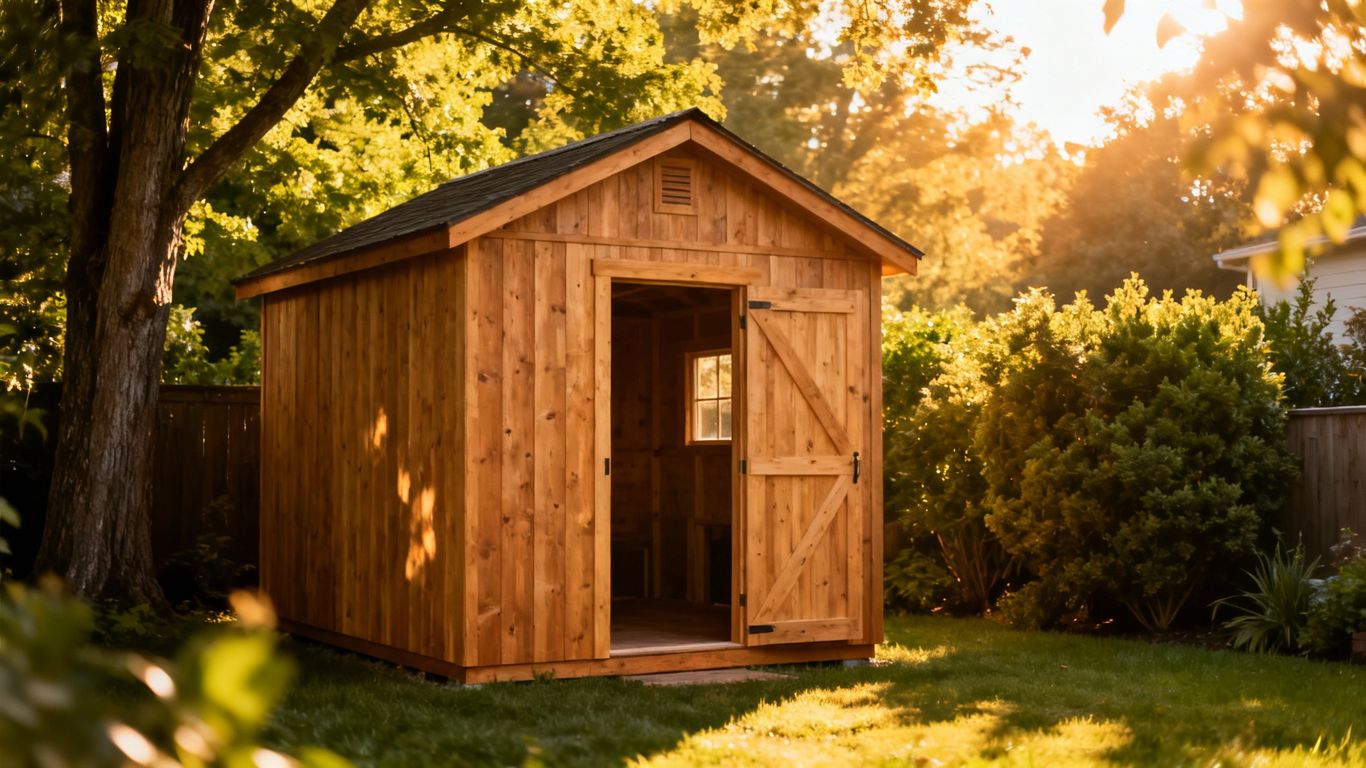
We’re looking to make our backyards more useful, and a big part of that can be a custom shed. Instead of just a plain box, we can design something that really fits our needs and looks good. Think about what you need to store and the style you want. We’ll cover how to pick the right stuff to build it with, so it lasts and looks nice. We also want to talk about making it work well for you, with smart ways to store things, and how to make it look great from the street.
Key Takeaways
- When planning your custom backyard storage sheds, think about what you’ll keep inside and the look you want for your yard. This helps decide the size and style.
- Choosing the right building materials is important for how long your shed lasts and how it looks. Consider wood, metal, or vinyl based on your budget and style.
- Smart storage inside and good looks outside make a big difference. Think about shelves, hooks, and maybe even some decorative touches to make your shed functional and attractive.
Designing Your Dream Custom Backyard Storage Sheds
When we think about adding a shed to our backyard, it’s easy to just picture a box for storing garden tools. But a custom-designed shed can be so much more. It’s an opportunity to create a space that truly fits our needs and adds real character to our outdoor living area. We need to start by really thinking about what we want this shed to do for us.
Defining Your Needs and Style
Before we even look at designs, let’s get clear on the purpose. Is this primarily for storing bulky items like lawnmowers and wheelbarrows? Or are we hoping for a multi-functional space, perhaps a small workshop, a potting area, or even a quiet retreat? Our intended use will heavily influence the size, layout, and features we need.
Consider these points:
- Primary Function: What will the shed hold or what activities will take place inside?
- Size Requirements: Measure your largest items or the space needed for activities. Don’t forget headroom!
- Location: Where will it sit? Think about sunlight, drainage, and access.
- Aesthetic: What look are we going for? Modern, rustic, traditional? It should complement our home and landscaping.
Choosing the right style is just as important as deciding on the size. We want it to look like it belongs, not like an afterthought. Think about the architectural style of our house – are there similar rooflines, window styles, or siding materials we could incorporate? This attention to detail makes a big difference.
We should also consider future needs. What might we need to store or do in five or ten years? Planning ahead can save us from needing a replacement or addition down the line.
Material Selection for Durability and Aesthetics
The materials we choose will impact both how the shed looks and how long it lasts. We want something that can stand up to the weather but also looks good.
Here’s a quick look at common options:
- Wood: Offers a classic, natural look and is versatile for customization. Different wood types have varying durability and maintenance needs. Cedar and redwood are naturally resistant to rot and insects but can be pricier.
- Metal (Steel/Aluminum): Generally more affordable and low-maintenance, resistant to rot and pests. However, they can be prone to rust or dents and may not offer the same aesthetic warmth as wood.
- Vinyl/Plastic: Very low maintenance, resistant to rot, insects, and fading. Can be a good budget-friendly option, but the look might not appeal to everyone, and they can become brittle over time in extreme temperatures.
We should also think about the roof. Asphalt shingles are common and cost-effective, while metal roofing offers greater durability and a different look. The foundation is another key element; a solid base prevents settling and prolongs the shed’s life. We’ll want to discuss options like concrete slabs, gravel pads, or pier foundations with our builder.
Maximizing Functionality and Value
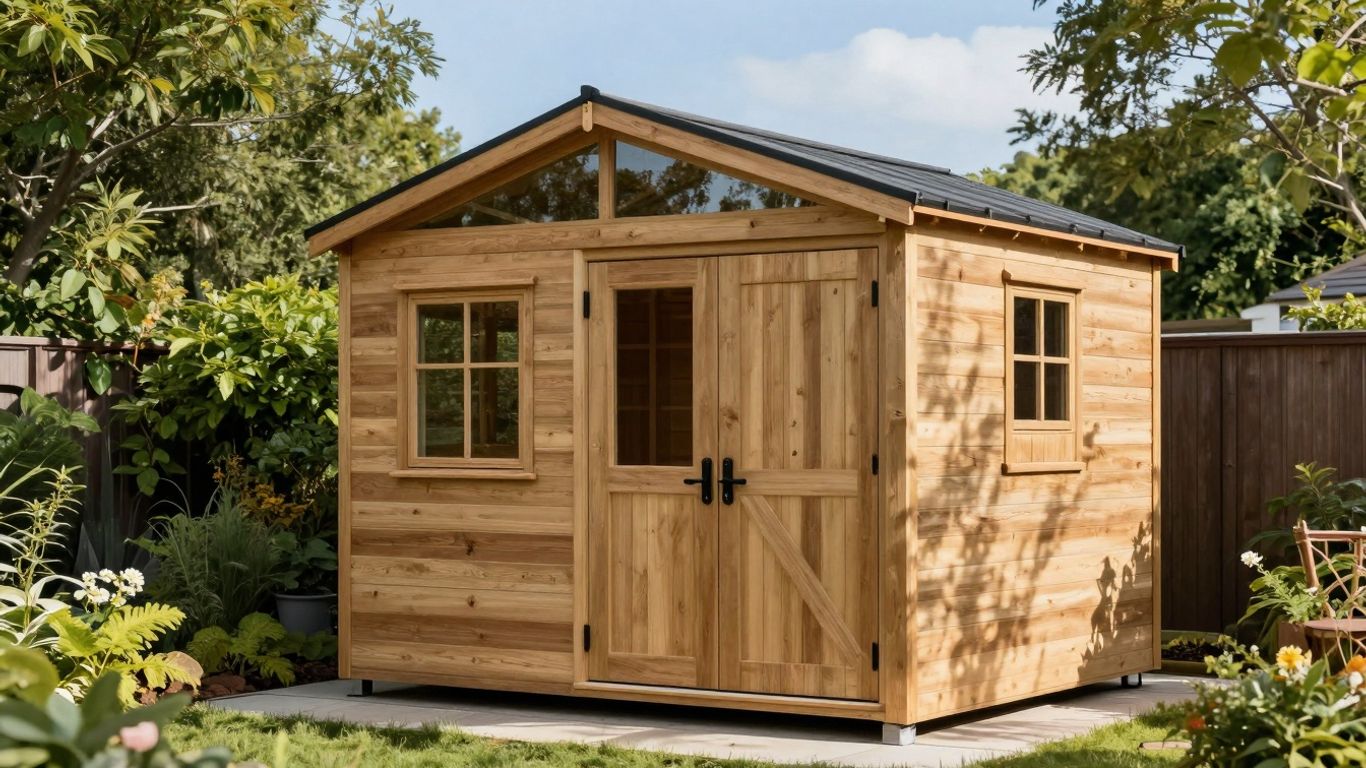
Once we’ve got the basic design sorted, it’s time to really think about how we’ll use the shed and make it work best for us. It’s not just about having a place to put stuff; it’s about making that space work for us. We want it to be useful and look good from the outside, too.
Integrating Smart Storage Solutions
This is where we get practical. Think about what you’ll be storing. Lawn equipment? Gardening tools? Bikes? Maybe even a workshop area? We need to plan for that.
- Vertical space is your friend. Shelving units, wall-mounted racks, and pegboards can keep things organized and off the floor. This makes a huge difference in how much you can fit and how easy it is to find things.
- Consider specialized storage. For example, hooks for hoses, specific holders for long-handled tools, or even a small workbench with drawers.
- Think about accessibility. Items you use most often should be easy to grab. Less frequently used items can go on higher shelves or in the back.
We found that a simple system of labeled bins on sturdy shelves worked wonders for keeping smaller items tidy. It stops that avalanche effect when you open the door.
We want our shed to be more than just a storage box. It should be a functional extension of our home, making outdoor tasks simpler and our yard tidier. The goal is a space that’s easy to manage and a pleasure to use.
Enhancing Curb Appeal with Custom Features
Now, let’s talk about making the shed look good. A well-designed shed can actually add to our home’s overall look. It’s not just a utility building; it can be a feature.
- Window placement matters. A well-placed window can let in natural light, making the inside feel more open, and it also adds visual interest from the outside.
- Consider the roofline and trim. Simple architectural details, like decorative trim or a contrasting roof color, can make a big difference.
- Paint color is a big one. Choosing a color that complements our house or garden can tie everything together nicely.
We also looked into adding a small overhang or a decorative planter box near the door. These little touches make the shed feel more like a part of the landscape and less like an afterthought. It’s amazing how much a bit of thoughtful design can change the perception of a simple structure.
Wrapping It Up
So, we’ve talked a lot about sheds. It’s pretty clear that a well-designed shed can really change how we use our backyards. It’s not just about storing stuff, though that’s a big part of it. Think about the extra room for hobbies, a quiet spot to read, or even a place to work on projects. We hope this has given you some good ideas for your own space. Building or getting a custom shed might seem like a big job, but the payoff in terms of organization and enjoyment is definitely worth thinking about. Go ahead and picture that perfect shed – it’s closer than you think.
Frequently Asked Questions
What’s the first step when we want to build a custom shed for our yard?
Before we even think about colors or fancy windows, we need to figure out exactly why we need the shed and what we want it to look like. Are we storing garden tools, bikes, or maybe even setting up a small workshop? Thinking about these things helps us decide on the size and style that will work best for our needs and our home’s look.
How do we pick the right stuff to build our shed so it lasts a long time and looks good?
Choosing the right building materials is super important. We want things that can handle the weather, like strong wood or tough siding, but also look nice. We should consider how the materials will match our house and garden. Sometimes, spending a little more on quality materials now saves us money and trouble later on.
What are some cool ways to make our shed super useful and attractive from the outside?
To make our shed really work for us, we can add smart storage inside, like shelves, hooks, and organizers, to keep everything neat. For the outside, we can add features that make it look great, such as a nice paint color, attractive windows, a sturdy door, or even a small porch. These touches make the shed a real asset to our backyard’s appearance.
Tags: Affordable Sheds, Long Lasting Sheds, Residential Shed Builder