
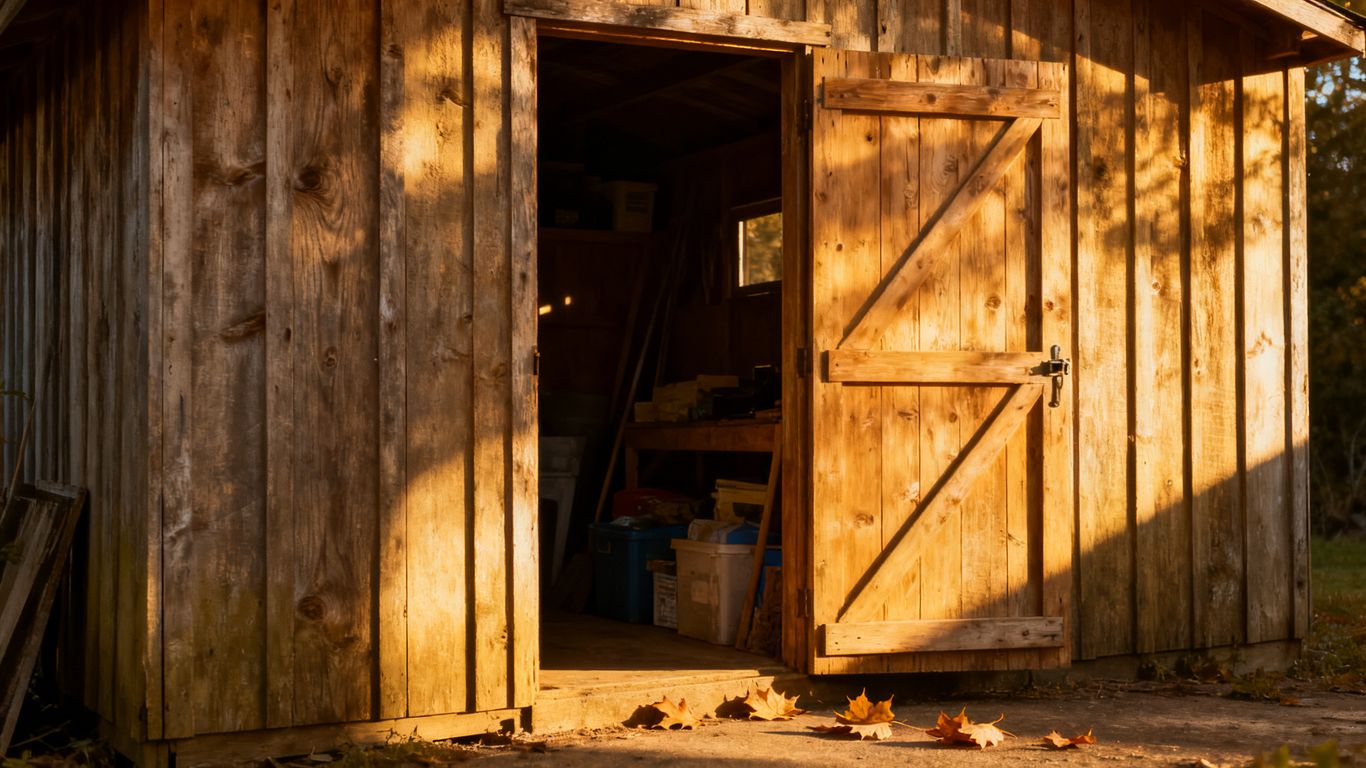
Summer is almost here, and that means more time spent outdoors. Before we start enjoying the warmer weather, we should think about our storage sheds. These spaces can become a haven for unwanted guests like mice, insects, and other critters. We want to make sure our sheds are secure and free from pests. Let’s go over some simple steps for effective shed pest prevention so we can keep our stored items safe and sound all season long.
Key Takeaways
- We will seal up any openings where pests might get in. This includes small cracks and gaps around the shed.
- We will check that doors and windows close tightly. A good seal stops pests from entering.
- We will keep the inside of the shed tidy and organized. This makes it harder for pests to find places to hide and build nests.
Seal Entry Points For Effective Shed Pest Prevention
We all want to keep our sheds free from unwanted guests, especially as the weather warms up. Pests like mice, insects, and even larger critters can find their way into our storage spaces through tiny openings. Taking the time to seal up these entry points is one of the most effective ways we can prevent infestations before they even start. It might seem like a small detail, but it makes a big difference.
Inspect And Seal Gaps
First things first, we need to do a thorough walk-around of our shed. Look closely at the foundation, the walls, and where the walls meet the roof. Pests don’t need much space; a gap the size of a dime can be enough for a mouse to squeeze through. We should pay special attention to areas where different materials meet, like where wood meets concrete or where siding meets trim.
- Check for cracks in the foundation or concrete slab.
- Examine the siding for any holes or loose sections.
- Look where pipes or wires enter the shed.
- Inspect the roofline and any vents.
Once we find these gaps, we need to seal them up. For larger holes, we can use expanding foam sealant or even hardware cloth (that’s a sturdy wire mesh) before applying caulk or wood filler. Smaller cracks can usually be handled with a good quality exterior caulk. Make sure the sealant we choose is durable and weather-resistant so it holds up over time.
Secure Doors And Windows
Doors and windows are obvious entry points, but we often overlook how easily pests can get in through them. We need to make sure our shed doors close tightly and have no gaps underneath. If there’s a significant gap at the bottom of the door, we can install a door sweep or a weather strip. This simple addition can block out not only pests but also drafts and moisture.
For windows, we should check that the frames are intact and that there are no cracks. If we have screens on our windows, we need to ensure they are in good repair, with no rips or tears. A torn screen is an open invitation for flying insects. If a window is broken or missing, it’s best to repair or replace it promptly. We might even consider adding a simple latch to windows that don’t have one, just for added security against both pests and potential intruders.
Sealing up your shed might take a bit of effort, but it’s a proactive step that saves us a lot of trouble down the line. A little bit of preventative maintenance now means fewer headaches with pests later on.
We should also think about the threshold of our doors. Sometimes, the wood can rot or warp, creating a gap. Replacing a damaged threshold or adding a metal one can provide a more robust barrier.
Maintain A Clean Environment For Shed Pest Prevention
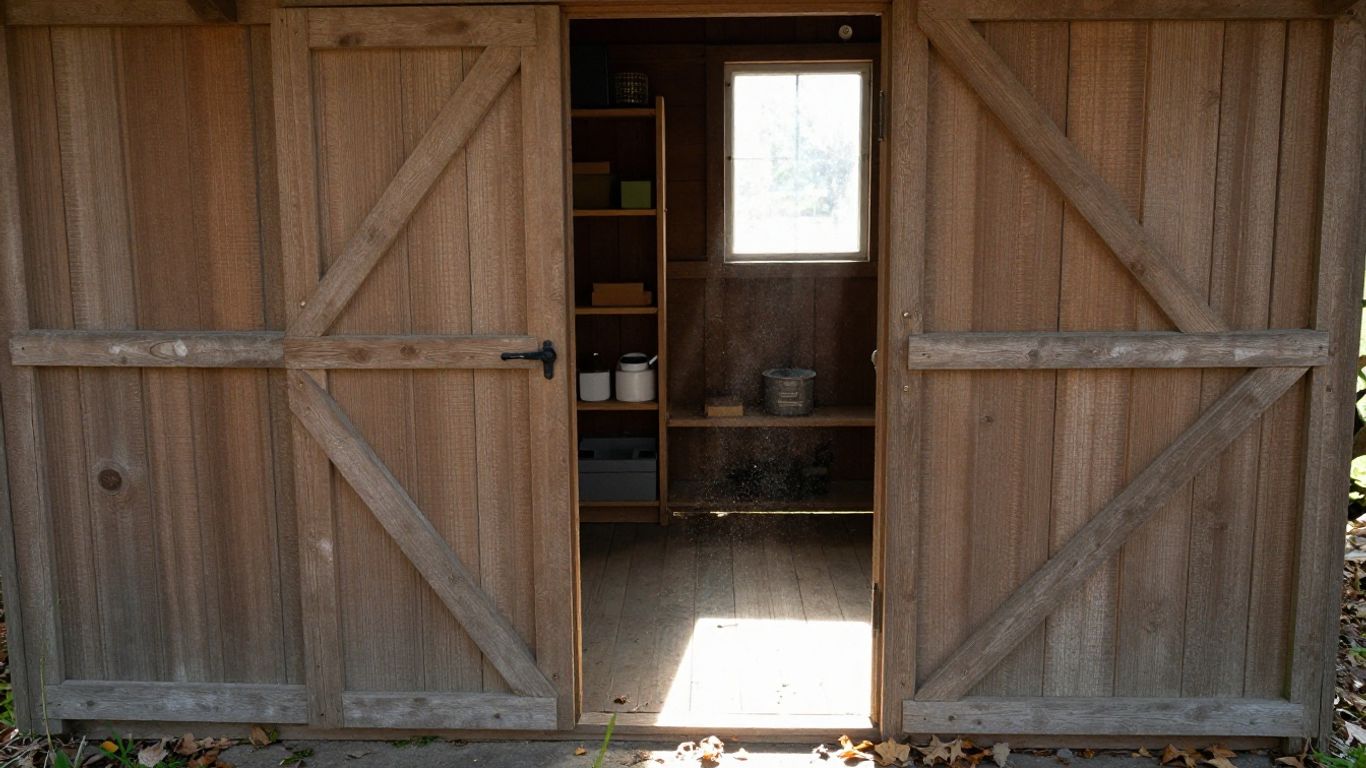
We often overlook how much a tidy shed can help keep unwanted guests out. It’s not just about looks; a clean space makes it harder for pests to find food, water, or a cozy place to nest. Let’s talk about how we can make our sheds less inviting to bugs and critters.
Organize Storage To Deter Pests
Clutter is a pest’s best friend. When things are piled high and disorganized, it creates dark, undisturbed areas where spiders can spin webs, mice can build nests, and insects can hide. We need to get things sorted.
- Store items in sealed containers. Plastic bins with tight-fitting lids are much better than cardboard boxes, which pests can chew through and nest in. Think about what you’re storing – if it’s food-related, like birdseed or pet food, sealing it is even more important.
- Elevate items off the floor. Using shelves or pallets keeps things away from potential moisture and makes it harder for ground-dwelling pests to access your belongings.
- Group similar items together. This makes it easier to see what you have and spot any signs of infestation early on. Plus, it just makes finding things simpler.
A well-organized shed means fewer hiding spots and less opportunity for pests to establish themselves. It’s a proactive step that pays off.
Regularly Clear Debris
Don’t let trash or old materials pile up inside or around your shed. This stuff can attract pests and provide them with building materials or shelter.
- Remove fallen leaves and plant matter. These can hold moisture and attract insects. Sweep them out regularly.
- Dispose of old packaging and unwanted items. If you’re not going to use it, get rid of it. Don’t let it become a home for pests.
- Keep the area around the shed clear. Trim back any overgrown bushes or weeds that touch the shed walls. This removes potential bridges for pests to get inside and reduces hiding places near the structure.
Final Thoughts
So, we’ve gone over how to keep those unwanted guests out of our sheds. Taking these steps now means we won’t have to deal with chewed-up boxes or droppings come summer. It’s a bit of work, sure, but think about how much better it will feel knowing our stored items are safe and sound. We can all enjoy our summer without worrying about what might be making a home in our storage. Let’s get those sheds sealed up tight!
Frequently Asked Questions
What are the most common pests that get into storage sheds?
We often find creatures like mice, spiders, ants, and sometimes even larger animals such as squirrels or raccoons trying to make a home in our sheds. These critters are usually looking for a safe, dry place to shelter or store food.
How often should we check our shed for potential pest entry points?
It’s a good idea to give your shed a thorough look-over at least twice a year, perhaps once in the spring before the weather gets too warm and again in the fall as things start to cool down. This helps us catch any new openings before they become a problem.
Are there any specific items we should avoid storing in our shed that might attract pests?
Yes, we should be mindful of storing things like open bags of pet food, birdseed, or even certain types of gardening supplies that might contain food remnants. Keeping these items in sealed containers or storing them elsewhere can make a big difference.
Tags: Affordable Sheds, Long Lasting Sheds, Residential Shed Builder