
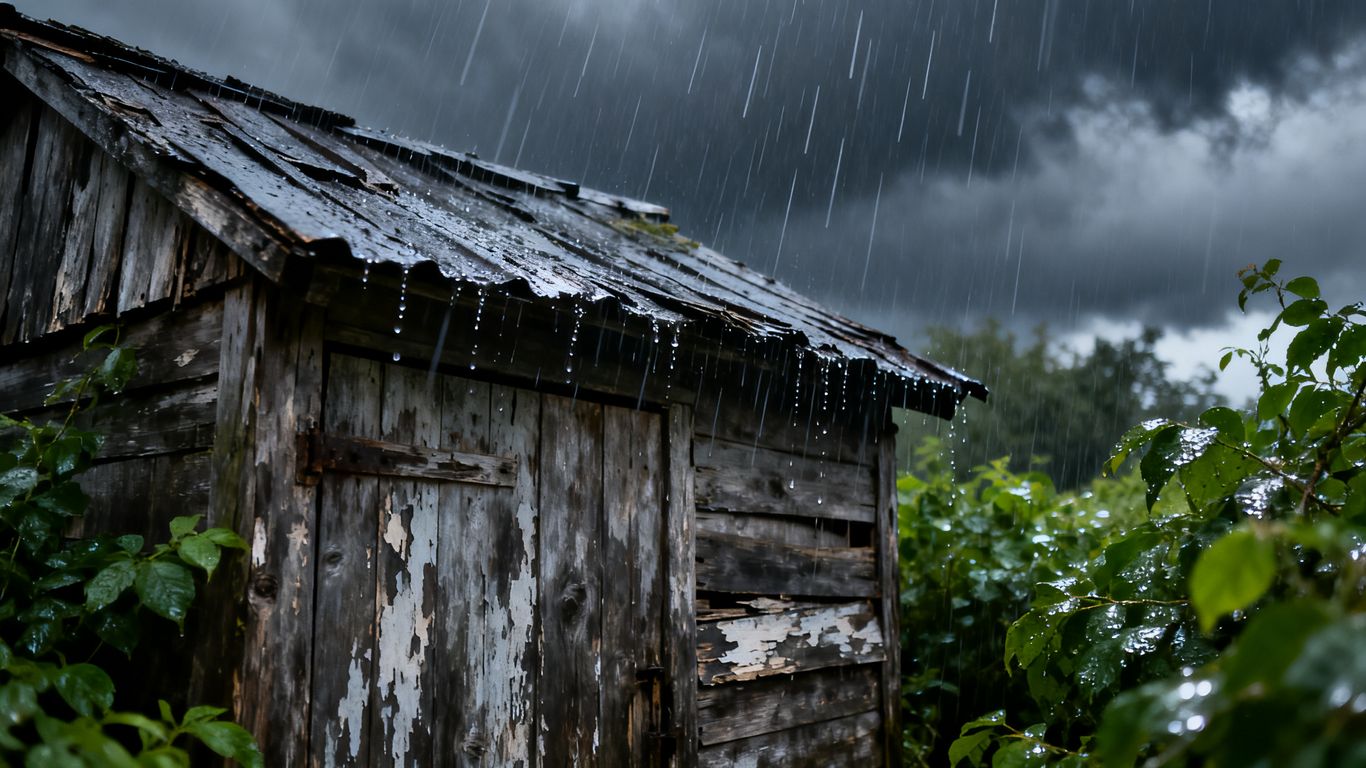
With humid thunderstorm season upon us, we need to think about our sheds. These structures often hold tools, garden supplies, and other items we want to keep dry and safe. We’ll look at how to make sure our sheds can handle the extra moisture and protect what’s inside. Our focus will be on outdoor shed waterproofing and keeping things dry, even when the weather is at its worst.
Key Takeaways
- We should check for and fix any cracks or openings in our sheds. This is a big part of outdoor shed waterproofing and stops water from getting in.
- Making sure the roof and walls are in good shape helps keep the inside dry. We might need to do some repairs before the heavy rains start.
- Good airflow inside the shed is important. We also need to think about other outdoor shed waterproofing steps to protect stored items from dampness.
Reinforce Your Shed’s Defenses Against Moisture
Humid thunderstorm season is upon us, and that means our sheds are going to face a serious test. We need to make sure they’re ready to keep the damp out. This isn’t just about keeping things dry; it’s about preventing rot, mold, and damage to whatever we store inside.
Inspect and Seal Gaps for Outdoor Shed Waterproofing
First things first, we need to do a thorough check for any openings where water can sneak in. Think of it like checking for leaks in your own home. We’ll walk around the entire shed, looking closely at where the walls meet the foundation, around windows, doors, and any vents.
- Look for cracks in the siding or foundation. Even small ones can let a lot of water in over time.
- Check the seals around windows and doors. These can dry out and crack, especially after a long winter.
- Examine the roofline and any flashing. This is often overlooked, but it’s a prime spot for leaks.
Once we find these spots, we need to seal them up. For most gaps, a good quality exterior caulk will do the trick. For larger cracks, we might need to use a sealant or even some wood filler if it’s a wooden shed. Making sure these seals are sound is our first line of defense against moisture.
Address Roof and Wall Integrity
Beyond just sealing small gaps, we need to look at the bigger picture of our shed’s structure. A compromised roof or wall can lead to major problems when the rain starts coming down hard.
- Roof Shingles: Check for any missing, curled, or damaged shingles. If you have a metal roof, look for rust or loose fasteners. We want a solid, unbroken surface.
- Siding: Make sure the siding is still firmly attached and not warped or rotting. Any loose boards should be resecured or replaced.
- Foundation: If your shed sits on a concrete slab or blocks, check for cracks or crumbling. Water pooling around the base can seep into the foundation itself.
If we find any significant issues, like a sagging roofline or large sections of rotted wood, it might be time for some more involved repairs. It’s better to tackle these now before they become bigger, more expensive problems. We want our shed to be a solid, dry box, not a leaky sieve.
We’re aiming for a shed that can withstand the constant dampness and heavy downpours. This means being proactive and not waiting for problems to appear. A little bit of work now can save us a lot of headaches later when the thunderstorms roll in.
Protecting Your Shed’s Contents During Humid Spells
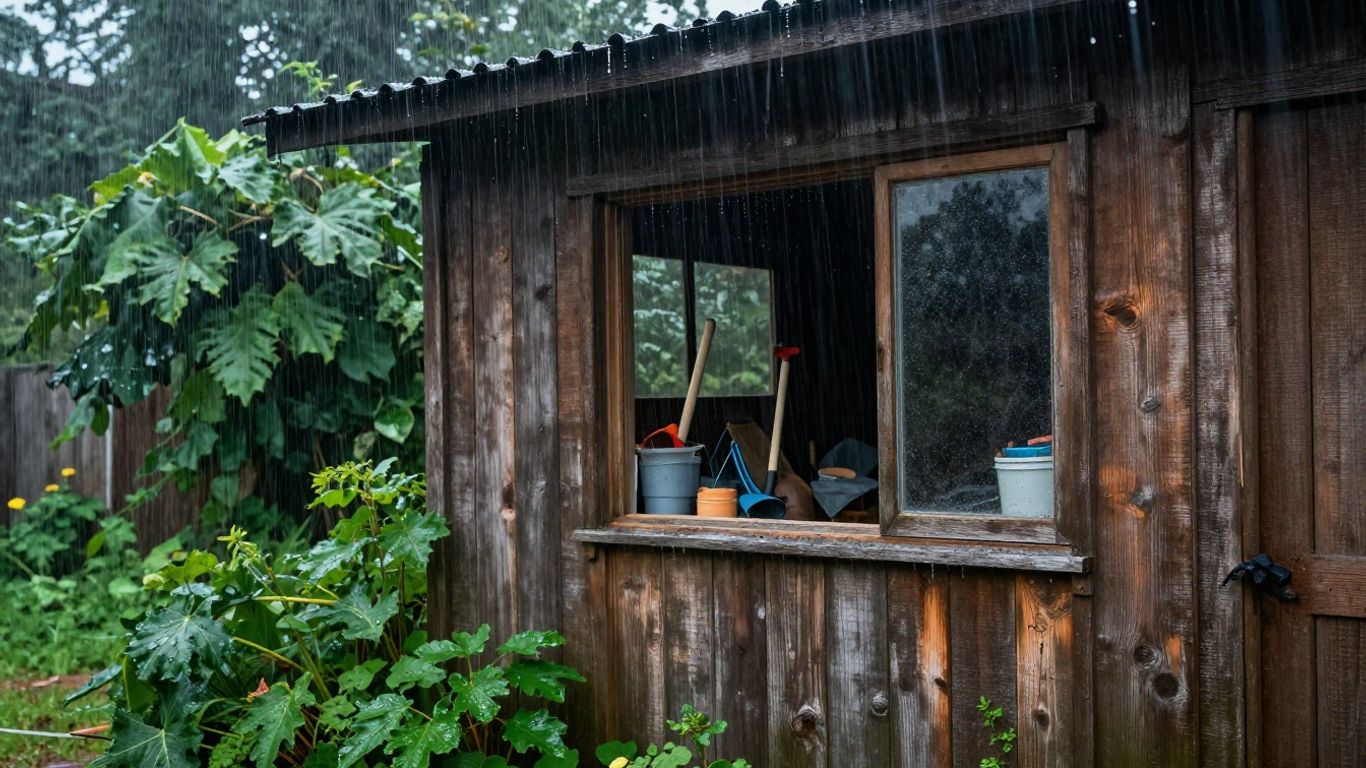
Humid thunderstorm season brings a lot of moisture, and we don’t want that getting into our sheds and ruining the things we store. We need to think about how to keep the inside of the shed dry, even when the air outside is thick with dampness. This means looking at how air moves around inside and making sure water can’t sneak in from the outside.
Ventilation Strategies for a Dry Interior
Good airflow is key to preventing moisture buildup. Without it, condensation can form on surfaces, leading to mold and mildew. We need to let the humid air out and bring in drier air when possible. Here are a few ways we can improve ventilation:
- Install vents: Consider adding small gable vents or soffit vents. These allow air to circulate naturally. If your shed is larger, a small, low-wattage fan on a timer can help move air around, especially during the day.
- Open doors and windows (strategically): On dry, breezy days, we can open up the shed to let it air out. However, we must be careful not to open it up during heavy rain or when the humidity is extremely high outside. It’s a balancing act.
- Dehumidifiers: For valuable items or if your shed is particularly prone to dampness, a small, portable dehumidifier can make a big difference. Just remember to empty the collection tank regularly or set up a continuous drain if possible.
Implementing Effective Outdoor Shed Waterproofing Measures
Beyond just sealing up gaps, we need to think about how water interacts with the shed’s exterior. Even small amounts of persistent dampness can cause problems over time. We want to direct water away from the structure and prevent it from soaking into the materials.
- Check the roof: Look for any missing shingles or damage. Water pooling on the roof is a direct path inside. Consider adding a layer of waterproof sealant to any seams or flashing that look suspect.
- Manage ground water: Make sure the ground around your shed slopes away from it. If water collects near the foundation, it can seep into the base of the shed. Adding a gravel bed or extending downspouts can help.
- Paint and seal: A fresh coat of good quality exterior paint or a sealant can add a protective layer to the walls, especially if you have a wooden shed. Pay attention to the bottom edges where the shed meets the ground.
We need to be proactive about moisture. It’s not just about the big storms; it’s the constant dampness that can wear down materials and create a breeding ground for mold. A little bit of regular attention now can save us a lot of trouble later.
Here’s a quick look at what to check:
| Area | Potential Issue | Action Needed |
|---|---|---|
| Roof | Leaks, damaged shingles | Inspect, repair, seal seams |
| Walls | Cracks, peeling paint | Seal cracks, repaint or re-seal |
| Foundation | Pooling water, cracks | Improve drainage, seal foundation cracks |
| Doors/Windows | Gaps, poor seals | Caulk gaps, check weather stripping |
| Vents | Blocked, insufficient number | Clear obstructions, add more if needed |
Wrapping Up Shed Care
So, we’ve gone over how to keep our sheds in good shape when the weather gets wet and wild. It’s not a huge job, but doing these little things now can save us a lot of trouble later. Think about it: a little bit of work now means our tools and stored items stay dry and safe when those big storms roll in. We don’t want to open the shed door after a downpour and find a soggy mess, right? Taking these steps helps us avoid that headache. Let’s get it done before the next big storm hits.
Frequently Asked Questions
How often should we check our shed for leaks, especially before the rainy season?
We recommend giving your shed a thorough check at least twice a year. A good time is before the humid, stormy season begins and again in the fall. Look closely at the roof, walls, and around any windows or doors for any signs of water damage or small openings.
What are the best ways to keep the inside of our shed dry and prevent mold?
To keep the inside dry, we should focus on airflow. Installing vents near the top and bottom of the shed can help air move through, carrying moisture away. We can also use moisture absorbers, like those found in large containers, to soak up extra dampness. Making sure the shed is sealed well from the outside is the first step, of course.
If we notice some damp spots on the shed walls, what’s the quickest fix?
If we spot dampness, it’s important to act fast. First, we need to find out where the water is coming from. It might be a small crack in the wall or a loose shingle on the roof. We can patch small holes with wood filler or caulk. For bigger issues, like damaged siding or roof problems, we might need to replace those parts to ensure the shed stays waterproof.
Tags: Affordable Sheds, Long Lasting Sheds, Residential Shed Builder