
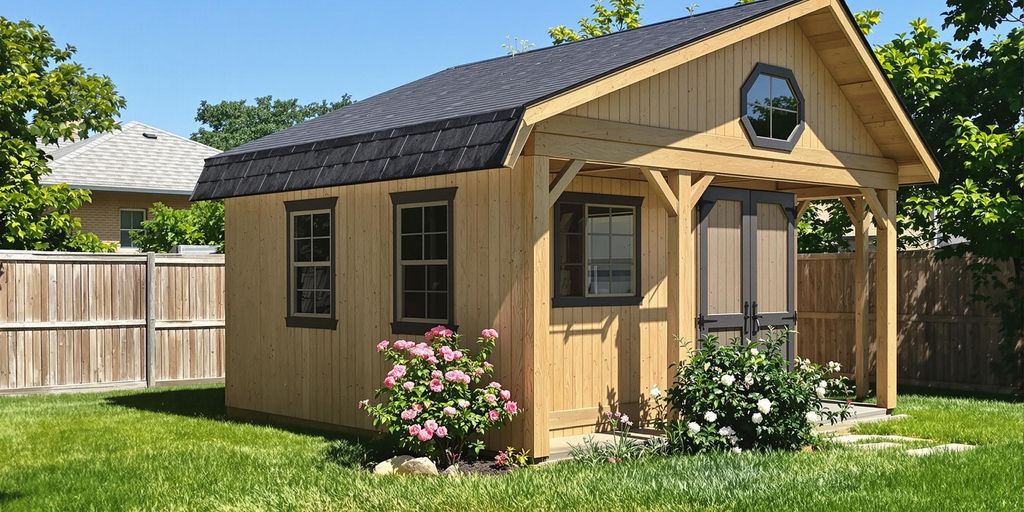
So, you’re thinking about getting a custom shed for your place in Fort Worth? That’s a great idea! A good shed can really change how you use your yard, giving you a spot for all that stuff that’s just cluttering up the garage or house. But picking the right one isn’t always super easy. There are a few things to think about to make sure you get a shed that works for you, looks good with your home, and follows all the local rules. We’ll walk you through some important steps to help you choose the perfect residential storage sheds Fort Worth.
Key Takeaways
- Figure out what you need your shed for and how much stuff you have. This helps you pick the right size.
- Think about what your house looks like and choose a shed style and materials that match. You want it to fit in.
- Always check with Fort Worth city rules about sheds. You might need a permit, and nobody wants trouble later on.
Assessing Your Storage Needs for a Fort Worth Property
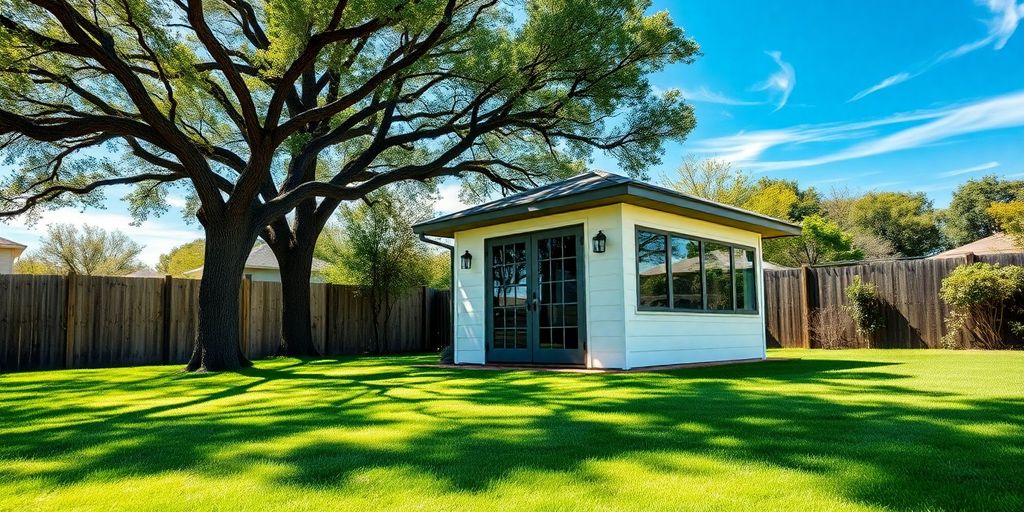
Before diving into the fun part of shed design – picking colors and styles – we need to take a good, hard look at what you actually need to store. It’s easy to get caught up in aesthetics, but a shed that’s too small or not designed for your specific items will quickly become a source of frustration. Let’s figure out the right size and features for your Fort Worth storage shed.
Determining the Right Size for Your Residential Storage Sheds Fort Worth
The size of your shed is probably the most important factor to consider. Too small, and you’ll be crammed for space. Too big, and you’re wasting money and yard space. Start by making a detailed list of everything you plan to store. Be specific! Don’t just write "garden tools"; list out each rake, shovel, and planter. Consider the dimensions of larger items like lawnmowers, bikes, or seasonal decorations.
Here’s a simple way to estimate:
- Small (8×10 ft): Ideal for basic garden tools, seasonal decorations, and a few small items.
- Medium (10×12 ft or 12×16 ft): Good for lawnmowers, bikes, and larger gardening equipment.
- Large (12×20 ft or larger): Suitable for workshops, storing ATVs, or significant amounts of equipment.
Think about vertical space, too. Shelving can dramatically increase your storage capacity without increasing the shed’s footprint. Consider adding a loft area for lighter items you don’t need to access frequently.
Considering Future Storage Requirements
It’s tempting to only think about what you need to store right now, but what about next year? Or five years from now? Life changes, hobbies evolve, and families grow. Will you be buying more gardening equipment? Starting a new hobby that requires storage? Having kids who will need a place to store their outdoor toys? It’s always better to overestimate your storage needs slightly than to find yourself wishing you had more space down the road. Future-proofing your shed is a smart investment.
Here are some questions to ask yourself:
- Are you planning any major home renovations that might require temporary storage?
- Do you anticipate acquiring any new hobbies or equipment in the near future?
- Will your family size or lifestyle change in a way that impacts your storage needs?
Choosing the Ideal Style and Materials for Your Fort Worth Shed
Okay, so you know what you need to store, and roughly how big your shed should be. Now comes the fun part: making it look good and last long! We need to think about how the shed will complement your home and what materials will hold up to the crazy Texas weather.
Matching Your Home’s Architectural Aesthetic
Think about your house. Is it a modern, minimalist design? Or does it have a more traditional, rustic feel? Your shed should blend in, not stick out like a sore thumb. Consider the roofline, siding, and color scheme of your home when choosing a shed style.
- If you have a brick house, maybe a shed with brick accents would look nice.
- If your home is painted a light color, a shed in a similar shade will create a cohesive look.
- Pay attention to the details, like window styles and trim, to tie everything together.
We’ve seen some really cool sheds that mimic the architectural style of the main house. It’s all about creating a unified look for your property.
Selecting Durable Materials for Texas Weather
Texas weather is no joke. We get scorching summers, occasional ice storms, and everything in between. You need a shed that can handle it all. Durability is key.
Here’s a quick rundown of some common shed materials and their pros and cons:
| Material | Pros | Cons |
|---|---|---|
| Wood | Classic look, relatively affordable, easy to customize | Requires regular maintenance (painting, staining), susceptible to rot |
| Metal | Durable, low maintenance, fire-resistant | Can rust, may not be as aesthetically pleasing as wood |
| Vinyl | Very low maintenance, resistant to rot and insects | Can be more expensive than wood, limited color options |
| Composite | Durable, low maintenance, resists rot and insects, eco-friendly options | Can be expensive, may not have the same aesthetic appeal as natural wood |
Consider these factors when making your decision:
- Budget: Some materials are more expensive than others.
- Maintenance: How much time and effort are you willing to put into upkeep?
- Aesthetics: Do you want a shed that looks natural or something more modern?
Navigating Fort Worth Regulations and Permitting for Sheds
Building a shed in Fort Worth isn’t just about picking the right design and materials; it also involves understanding and complying with local regulations. It might seem like a hassle, but ensuring you have the correct permits and follow zoning laws can save you from potential headaches and fines down the road. Let’s break down what you need to know.
Understanding Local Zoning Ordinances for Residential Storage Sheds Fort Worth
Zoning ordinances dictate where you can place your shed on your property, its maximum size, and even its height. These rules are in place to maintain neighborhood aesthetics and prevent obstructions. It’s important to check the specific zoning regulations for your Fort Worth neighborhood, as they can vary.
Here’s what you should consider:
- Setback requirements: These specify how far your shed must be from property lines, fences, and other structures.
- Size restrictions: There are limits to how big your shed can be, often based on the size of your lot.
- Height limitations: The maximum height of your shed is also regulated to prevent it from blocking views or overshadowing neighboring properties.
Ignoring these regulations can lead to stop-work orders, fines, or even the requirement to remove your shed. It’s always better to be safe than sorry and do your homework before starting construction.
To find this information, you can visit the City of Fort Worth’s website or contact the Planning and Development Department directly. They can provide you with the specific zoning regulations that apply to your property. Don’t hesitate to ask questions; it’s their job to help you understand the rules. It’s also a good idea to keep records of all communications with the city, just in case any issues arise later on.
Conclusion
So, there you have it. Picking out a custom shed for your Fort Worth place doesn’t have to be a big headache. We’ve gone over a bunch of things to think about, from what you need it for to how it’ll look in your yard. Remember, it’s all about making choices that fit your life and your home. Take your time, look at your options, and don’t be afraid to ask questions. A good shed can really make a difference, giving you that extra space you’ve been wanting. We hope this helps you get started on building the perfect shed for your home.
Frequently Asked Questions
How do we figure out the right size shed for our stuff?
The perfect size for your shed depends on what you plan to store. Think about big items like lawnmowers or bikes, and smaller things like gardening tools. It’s also smart to think about what you might need to store in the future. A little extra space now can save you trouble later!
Do we need a permit to put up a shed in Fort Worth?
Yes, it’s super important to check with the City of Fort Worth’s rules before you build. They have specific guidelines about where you can put a shed and how big it can be. Getting a permit might be necessary, and following the rules helps avoid problems down the road.
What kind of materials should we use so our shed holds up well in Fort Worth weather?
To make sure your shed lasts a long time in Fort Worth’s weather, pick strong materials. Things like treated wood, metal, or durable vinyl are good choices. These materials can handle the heat, rain, and occasional storms we get here.
Tags: Affordable Sheds, Long Lasting Sheds, Residential Shed Builder