
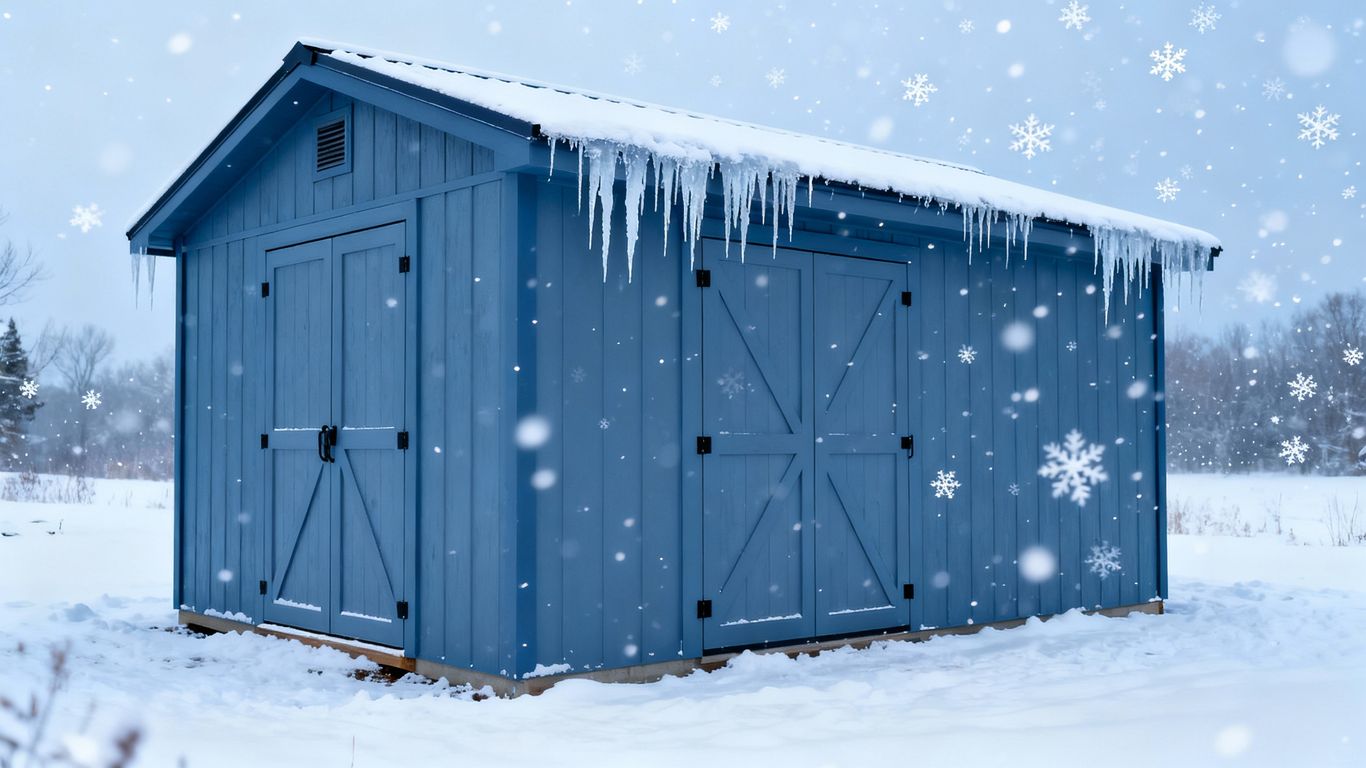
As the weather turns colder, it’s a good time to think about our custom designed storage sheds. We want them to last through the winter, right? Taking a little time now can save us a lot of trouble later. This article will cover some simple steps for residential storage shed maintenance so your shed stays in good shape, protecting whatever you keep inside.
Key Takeaways
- Before winter hits, check the outside of your shed for any cracks or loose parts. Seal them up to keep the wind and water out. Also, make sure your gutters and downspouts are clear so rain and snowmelt can drain away properly and not pool around the foundation.
- Inside the shed, take a moment to organize your items. Secure anything that might shift or fall. This makes it easier to find things and keeps them from getting damaged. Think about grouping similar items together.
- Winter weather can bring moisture. Use moisture absorbers or ensure good airflow if possible to prevent dampness from affecting your stored items. Covering things that are sensitive can also help.
Preparing Your Custom Shed For Winter Weather
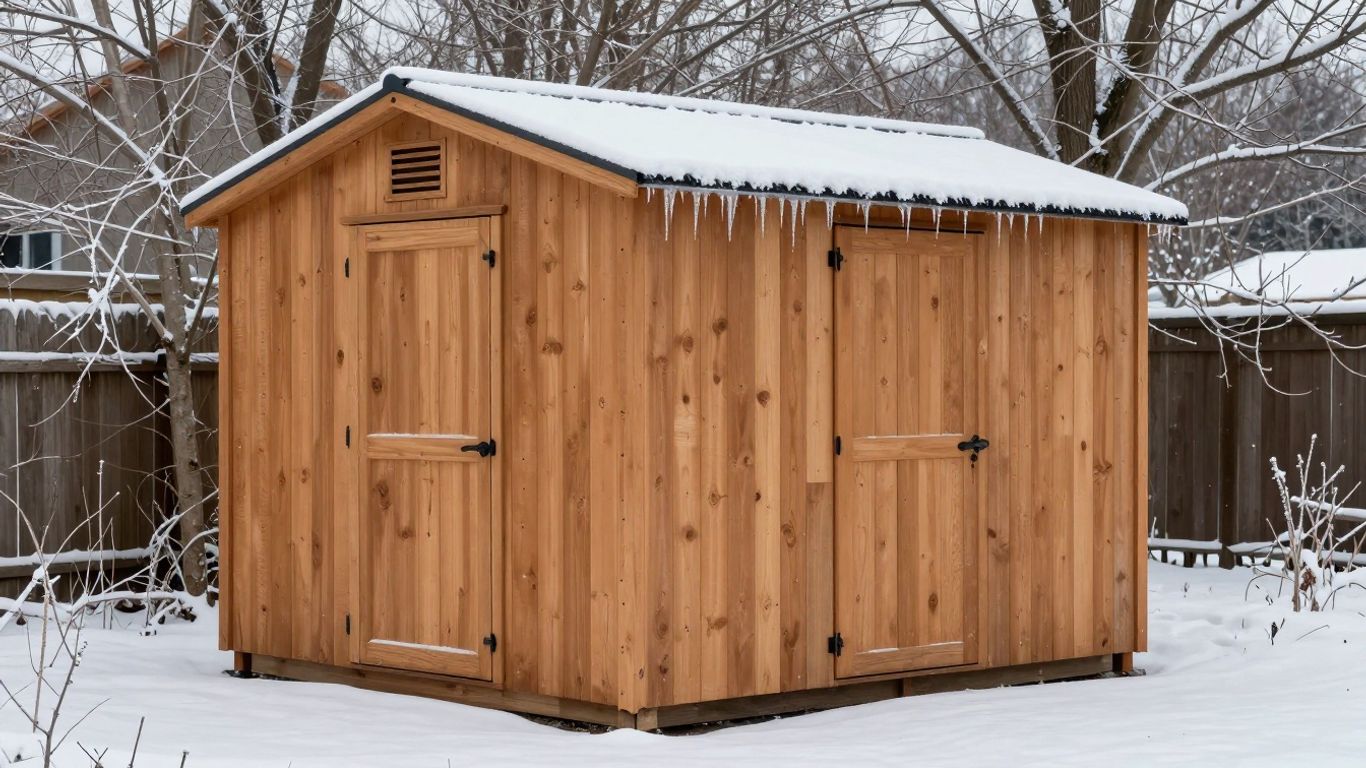
As the temperatures drop and the days get shorter, it’s time to give our custom storage sheds a little extra attention. We want to make sure they can handle whatever winter throws at them. Taking a few proactive steps now can save us a lot of hassle down the road.
Inspect And Seal Your Shed’s Exterior
First things first, we need to walk around the outside of the shed and really look it over. Think of it like a quick check-up before a long journey. We’re looking for any cracks, gaps, or loose boards. These little openings can let in cold air, moisture, and even pests. A well-sealed shed is a warmer, drier shed.
- Check the siding: Look for any warped, cracked, or missing pieces. Small issues can be patched, but larger problems might need more work.
- Inspect the roof: Make sure there are no missing shingles or signs of wear. Water pooling on the roof can freeze and expand, causing damage.
- Examine the foundation: Ensure the base of the shed is solid and not showing signs of shifting or rot.
We can use caulk or weatherstripping to seal up small gaps around windows, doors, and where the siding meets the foundation. For larger gaps, wood filler or even replacement boards might be necessary. Don’t forget to check the seals around any vents too.
Taking the time to properly seal your shed’s exterior is one of the most effective ways to protect it from the harsh winter elements. It’s a simple step that makes a big difference.
Clear Gutters And Downspouts For Proper Drainage
If your custom shed has gutters, now is the time to clear them out. Leaves, twigs, and other debris can clog them up, preventing water from draining away. When water can’t drain, it can back up under shingles or freeze in the gutters, causing them to crack or pull away from the shed.
Here’s a quick rundown on how to tackle this:
- Gather your tools: You’ll likely need a sturdy ladder, gloves, and a small trowel or scoop.
- Carefully remove debris: Work your way around the shed, gently scooping out the gunk from the gutters.
- Flush the system: Once clear, use a hose to run water through the gutters and downspouts. This ensures everything is flowing freely and checks for any blockages you might have missed.
Make sure the downspouts are directing water away from the shed’s foundation. If they’re dumping water right at the base, consider adding an extension to carry it further out. Proper drainage prevents water from seeping into the ground around the foundation, which can lead to frost heave and other structural problems during the cold months.
Protecting Your Shed’s Contents During Cold Months
Now that we’ve made sure the outside of our custom sheds are ready for winter, we need to think about what’s inside. Our belongings deserve protection too, especially from the damp and cold that can creep in. Let’s get things organized and make sure everything stays in good shape until spring.
Organize and Secure Items Inside Your Shed
Before the really bad weather hits, take some time to go through everything stored in your shed. A good tidy-up now will save you a lot of hassle later. Think about how you can best arrange things to make the most of the space and keep items safe.
- Group similar items together. This makes it easier to find what you need and prevents things from getting lost or damaged.
- Use shelving and storage bins. Get items off the floor where they are more likely to get wet or damaged. Sturdy bins can keep things contained and protected.
- Elevate valuable or sensitive items. If you have tools, equipment, or anything that can’t tolerate moisture, place it on higher shelves or on blocks to keep it away from potential water issues.
- Secure loose items. Make sure anything that could fall or shift during strong winds or if the shed door is opened suddenly is properly secured.
Prevent Moisture Damage to Belongings
Moisture is the enemy of stored goods during winter. Cold temperatures can cause condensation, and any leaks from the roof or walls we might have missed can lead to serious problems. We need to be proactive about keeping things dry.
- Check for any signs of dampness. Feel the walls, look at the floor, and check around any windows or doors. If you find damp spots, address them immediately. This might mean adding extra sealant or checking your roof.
- Use moisture absorbers. Products like silica gel packets or commercial moisture absorbers can be placed in bins or around the shed to soak up excess humidity. Just remember to check and replace them as needed.
- Ventilate when possible. On milder, dry days, open the shed door for a bit to let fresh air circulate. This helps reduce built-up moisture. Don’t do this during freezing temperatures or when it’s actively raining or snowing.
- Consider a dehumidifier. For larger sheds or if you store particularly sensitive items like classic cars or important documents, a small, energy-efficient dehumidifier might be a worthwhile investment. Just make sure it has a way to drain collected water, or empty it regularly.
Taking these steps now will make a big difference in how your stored items fare through the winter. It’s about protecting our investments and keeping our gear ready for when we need it again.
Remember to also think about any power tools or equipment. Make sure they are clean and dry before storing them. A light coat of oil on metal parts can prevent rust. For things like lawnmowers or snow blowers, follow the manufacturer’s recommendations for winter storage, which often involves draining fuel or using stabilizers.
Wrapping Up Your Shed’s Winter Prep
So, we’ve gone over a few things to keep your custom shed in good shape when the cold weather hits. It might seem like a lot, but taking these steps now really saves headaches later. Think of it like getting your car ready for winter – a little effort upfront means fewer problems when the snow starts flying. We hope these tips help you protect your investment and keep your shed looking good for years to come. Happy winterizing!
Frequently Asked Questions
How can we make sure our shed can handle snow and wind?
To keep your shed safe during winter, we should first check its outside for any cracks or holes. Sealing these up will stop cold air and water from getting in. Also, we need to make sure the roof is strong enough to hold snow without bending. If you have any doubts, it’s best to get it checked by a pro.
What should we do if we store things in our shed during winter?
When putting items away for the cold months, it’s a good idea to group similar things together. Use sturdy shelves or bins to keep everything neat and off the floor. This way, we can easily find what we need and also prevent items from getting damaged by dampness or pests. Heavy items should go on lower shelves for safety.
How do we stop our stored items from getting ruined by moisture?
To protect your belongings from moisture, we should first make sure the shed is well-ventilated. Opening vents on dry days helps. We can also use moisture absorbers, like those little packets you find in new shoes, or even a small dehumidifier if you have electricity. Covering sensitive items with plastic tarps can also provide an extra layer of defense against dampness.
Tags: Affordable Sheds, Long Lasting Sheds, Residential Shed Builder