
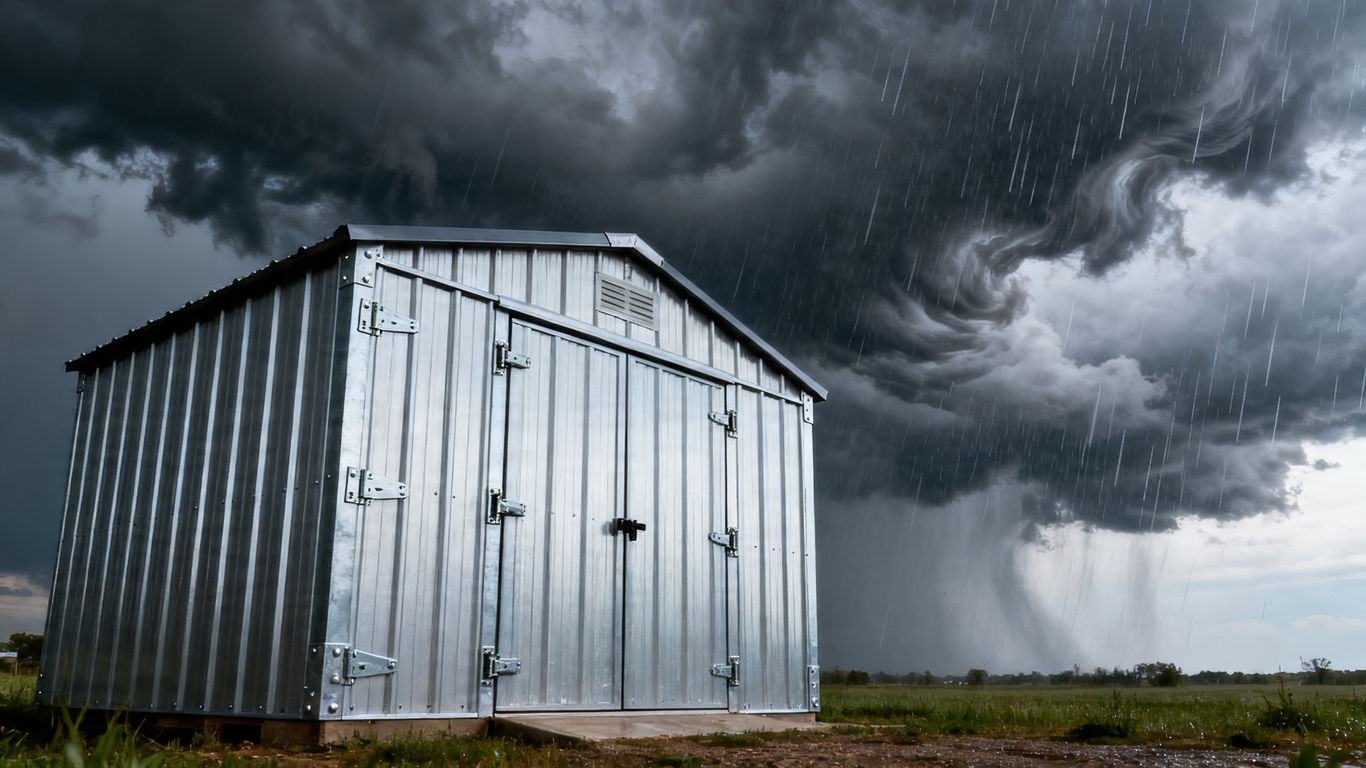
Spring in North Texas can be beautiful, but it also brings strong winds and sometimes damaging hail. When we think about storing our belongings, a flimsy shed just won’t cut it. We need something that can stand up to the weather. That’s why we’re looking at wind resistant metal sheds North Texas options. It’s about picking the right kind of shed that won’t blow away or get dented to pieces when a storm hits.
Key Takeaways
- When picking a shed for North Texas, look for strong frames and good anchoring. This helps keep wind resistant metal sheds North Texas secure during storms.
- Check the metal thickness (gauge) and how the shed is put together. Thicker metal and solid construction mean better protection from hail and wind.
- Think about where the shed will go and how it’s installed. Proper setup is just as important as the shed itself for making sure it lasts.
Understanding Wind Resistant Metal Sheds North Texas
When we think about North Texas springs, we often picture blooming flowers and warmer weather. But we also know that can mean sudden, strong winds and sometimes, damaging hail. That’s why picking a metal storage shed that can handle these conditions is pretty important. We need to make sure our belongings are protected, not just from the elements, but from the more forceful weather events that can pop up.
Key Features of Wind Resistant Metal Sheds
So, what exactly makes a metal shed stand up better against strong winds? It’s not just about having a heavy shed. We’ve found a few things to look for:
- Stronger Framing: Look for sheds with thicker gauge steel for the frame. This provides a more solid structure that’s less likely to bend or buckle.
- Secure Anchoring: How the shed is attached to the ground makes a big difference. Proper anchoring systems, like ground anchors or concrete foundations, are key.
- Panel Design: The way the metal panels are attached to the frame matters. Overlapping panels and secure fastening methods help prevent wind from getting underneath and lifting the shed.
- Roof Style: Gable roofs tend to handle wind better than flat roofs because they allow wind to pass over more easily. Some designs also have reinforced roof trusses.
A well-built shed will have a combination of these features working together.
Assessing Hail Resistance for North Texas
Hail is another big concern here. A small hailstone might not do much, but larger ones can dent or even puncture metal siding. When we’re looking at hail resistance, we’re mostly focused on:
- Metal Gauge: Thicker metal (lower gauge number) is naturally more resistant to dents. For North Texas, we’d lean towards sheds with at least a 29-gauge steel, but 26-gauge is even better if hail is a frequent problem.
- Paint Finish: While not directly about resistance, a good quality paint finish can help prevent rust from forming in any dents that might occur, keeping the shed looking good longer.
- Panel Overlap: Similar to wind resistance, how the panels overlap and are secured can help distribute the impact of hail, reducing the chance of a direct puncture.
We’ve seen sheds that looked okay after a light shower, but then a good hailstorm came through, and they ended up with dozens of dents. It’s not just about the shed falling over; it’s about keeping its contents safe and the shed itself from looking like it went through a battle.
When you’re shopping, don’t be afraid to ask about the specific construction details. The salesperson should be able to tell you about the gauge of the metal, the framing, and how it’s designed to be anchored. It’s better to know upfront than to find out the hard way when the next big storm rolls in.
Selecting the Right Wind Resistant Metal Sheds for Your Property
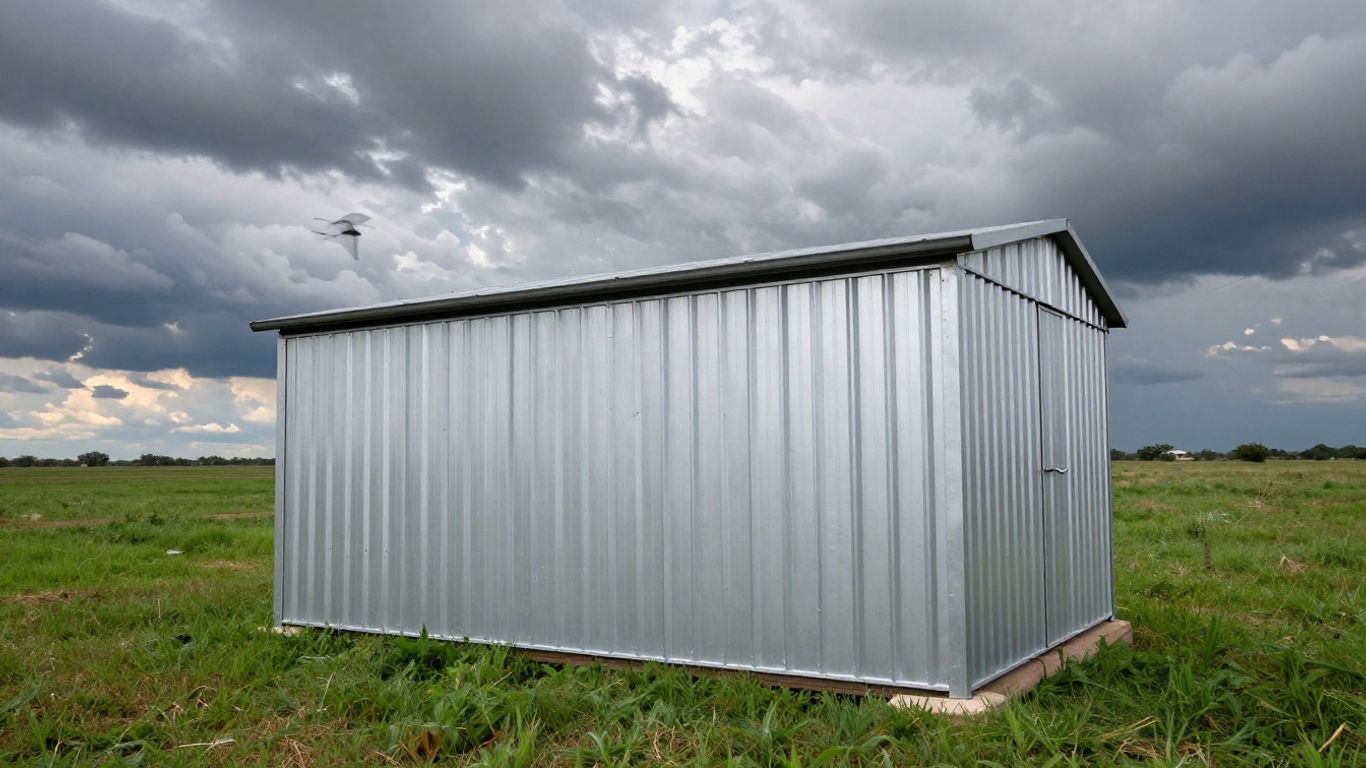
Choosing a metal shed that can stand up to North Texas spring storms means looking beyond just the price tag. We need to think about how it’s put together and what it’s made of. It’s not just about having a place to store your lawnmower; it’s about protecting your belongings from high winds and damaging hail.
Installation Considerations for Durability
How a shed is installed makes a big difference in how well it holds up. A poorly anchored shed is just asking for trouble when the wind picks up.
- Foundation is Key: We always recommend a solid foundation. This could be a concrete slab or even properly anchored concrete blocks. Just placing it on bare ground isn’t enough.
- Anchoring Methods: Look for sheds that offer robust anchoring kits. These usually involve heavy-duty augers or anchor bolts that go deep into the ground or concrete. We want to see at least four anchor points, ideally more for larger sheds.
- Site Selection: Think about where you’re putting the shed. Avoid placing it in a low-lying area that might flood, or directly in the path of prevailing winds if possible. Sometimes, a bit of natural windbreak from a sturdy fence or building can help, but don’t rely on it entirely.
- Professional Installation: If you’re not comfortable with DIY, hiring professionals who know how to properly anchor and assemble these structures is a smart move. They’ll have the right tools and know-how to get it done right the first time.
Material Gauges and Structural Integrity
The thickness of the metal and the way the shed is framed are super important for wind and hail resistance. Thinner metal can dent easily from hail, and a weak frame can buckle under pressure.
- Gauge Matters: Metal thickness is measured in gauges; a lower gauge number means thicker metal. For North Texas, we’d suggest looking for sheds with wall panels and roof panels that are 29-gauge or even 26-gauge. Anything higher (like 31-gauge) might be too flimsy.
- Frame Strength: The internal frame is what gives the shed its backbone. We want to see galvanized steel framing, and the thicker the gauge of the frame members, the better. Look for sheds with cross-bracing in the corners and along the roofline. This adds a lot of stability.
- Fasteners: Don’t forget the screws and bolts. Manufacturers that use self-tapping screws specifically designed for metal buildings are a good sign. They hold better than nails and are less likely to loosen over time.
When we’re looking at sheds, we’re essentially checking its bones. A shed might look good on the outside, but if the frame is weak or the metal is thin, it won’t last long against our unpredictable weather. It’s worth spending a little more upfront for a shed that’s built to last.
Here’s a quick look at what to aim for:
| Component | Recommended Gauge | Notes |
|---|---|---|
| Wall Panels | 29 or 26 | Thicker metal resists hail dents better |
| Roof Panels | 29 or 26 | Same as walls, needs to withstand impact |
| Framing | 14-16 | Thicker gauge steel provides more support |
| Fasteners | Self-tapping | Secure and durable connection |
Wrapping Up Our Shed Search
So, we’ve talked a lot about picking out a metal shed that can handle North Texas spring weather. It’s not just about finding something that looks good; we really need to think about how it’ll hold up against strong winds and hail. We’ve gone over what to look for in materials and construction. Taking the time now to choose wisely means we won’t be dealing with a damaged shed later. We hope this helps you find a sturdy shed that will last for years to come.
Frequently Asked Questions
How can we make sure our metal shed can handle strong winds common in North Texas?
To prepare for North Texas’s windy springs, we should look for sheds built with sturdy frames and strong anchoring systems. Many manufacturers offer models specifically designed to withstand high winds. Checking the shed’s wind rating, often found in its specs, is a good idea. Proper installation, including securing the shed firmly to the ground with concrete anchors or a solid foundation, is crucial for keeping it in place when the wind picks up.
What should we consider to protect our shed from hail damage?
Protecting our belongings from hail means choosing a shed with thicker metal panels. These are less likely to dent or get damaged by hailstones. We should also think about the roof’s design; a steeper roof might help hailstones slide off more easily. Some sheds come with reinforced corners or extra bracing, which adds another layer of defense against severe weather.
Are there specific materials or features we should avoid when picking a shed for North Texas weather?
When selecting a shed for our area, we should steer clear of sheds made with very thin metal, as these can easily bend or break during storms. Also, flimsy doors or windows that aren’t well-secured can be weak points. We want a shed that feels solid and well-built, not one that rattles or seems unstable. Focusing on sheds with good warranties and positive reviews from other customers in similar climates can also guide our choice.
Tags: Affordable Sheds, Long Lasting Sheds, Residential Shed Builder