

Thinking about adding a shed to your backyard? It’s a great idea, whether you need a spot for tools, a new hobby space, or just some extra storage. But picking the right size can be tricky. You want something that fits your needs without taking over your whole yard. This guide will walk you through the important stuff, so you can pick out the perfect shed for your home. If you’re looking for a “Shed Builder Near Me,” knowing these things ahead of time will really help.
Key Takeaways
- Figure out what you’ll use the shed for first. This helps you decide on the right size and features.
- Measure your yard carefully. Make sure there’s enough room around the shed for walking and upkeep.
- Pick a shed style that looks good with your house and yard. It shouldn’t stick out too much.
- Think about how the shed will look in your yard. A shed that’s too big can make your yard feel small.
- Always check local rules and permits before you build. Some areas have size limits or other requirements.
Defining Your Shed’s Primary Purpose
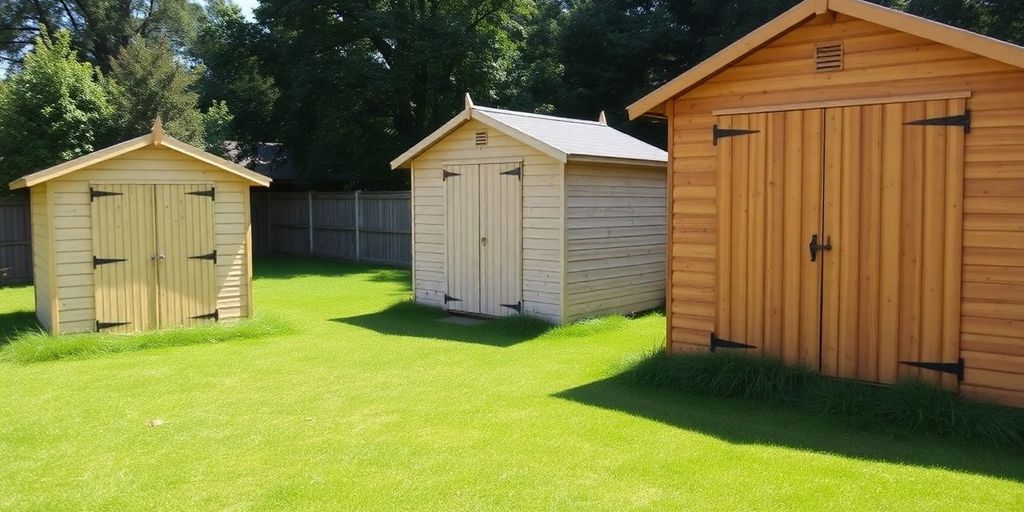
Before you even think about dimensions or designs, it’s important to figure out exactly what you’ll be using your shed for. This isn’t just about storage; it’s about how you plan to interact with the space. Knowing your shed’s purpose will guide every decision, from size to features.
Basic Storage Needs
If your shed is primarily for stashing away lawn tools, bikes, and seasonal decorations, you might not need a huge space. Think about the items you want to store. Do you need to store a lawnmower? A snowblower? How about bikes? A small shed, maybe around 8×10 feet, could be sufficient. Consider shelving to maximize vertical space and keep things organized. Don’t forget to factor in room to move around and easily access your items. Proper shed organization is key here.
Workshop And Hobby Spaces
Want to create a dedicated area for woodworking, pottery, or model building? Then you’ll need more square footage. A workshop needs space for a workbench, tools, and materials. Think about electrical outlets for power tools and good lighting. You might also want to consider insulation to make the space comfortable year-round. A shed in the 10×12 to 12×16 range could be a good starting point, but it depends on the scale of your hobbies.
Home Offices Or Studios
Turning a shed into a home office or art studio is becoming increasingly popular. This requires a different level of planning. Insulation is a must, as is proper ventilation. You’ll need to run electricity for lighting, computers, and other devices. Consider adding windows for natural light and a comfortable door. The size will depend on your work style and equipment, but aim for at least 10×12 feet to avoid feeling cramped. Remember to check local regulations regarding shed size limits before committing to a design.
It’s easy to underestimate how much space you actually need. Take inventory of everything you plan to store or do in the shed. Then, add a little extra for future growth. You’ll be glad you did!
Accurately Measuring Your Available Space
Before you even start dreaming about shed styles or uses, you absolutely must know how much space you’re working with. This isn’t just about the footprint of the shed itself; it’s about the entire area around it. Trust me, skipping this step is a recipe for frustration later on.
Ensuring Adequate Clearance
Think about mowing the lawn, accessing the shed for repairs, or even just walking around it comfortably. You’ll need clearance on all sides. A good rule of thumb is to allow at least 3 feet of space around the shed. This prevents that ‘boxed-in’ feeling and makes maintenance much easier. Don’t forget to account for any roof overhang, which can extend beyond the base dimensions. This is especially important if you’re planning on placing the shed near a fence or other structure. Consider the ideal shed location to maximize space.
Identifying Site Obstacles
Walk your yard with a critical eye. Are there any trees with low-hanging branches? Underground utilities? Sprinkler systems? These are all potential obstacles that could impact the placement and size of your shed. Utility lines are a big one – you definitely don’t want to dig into those! Call your local utility company to mark any underground lines before you start planning. Also, consider the slope of your yard. A level surface is ideal, and significant slopes may require extra site preparation, adding to the overall cost.
Planning For Easy Access
How will you get items in and out of the shed? Will you need to maneuver a lawnmower, wheelbarrow, or other large equipment? Make sure there’s a clear path from your driveway or other access point to the shed door. Consider the width of the door and the turning radius required for any equipment you plan to store. A narrow, winding path can quickly become a major inconvenience. Think about future needs too. Will you be storing larger items later on? It’s always better to overestimate your access needs than to underestimate them.
It’s a good idea to sketch out your yard and mark all potential obstacles and access points. This visual representation will help you determine the best location and size for your shed. Don’t be afraid to use graph paper or even a digital tool to create a detailed plan. This small investment of time upfront can save you a lot of headaches down the road.
Selecting A Shed Style That Complements Your Home
Beyond just size, the style of your shed plays a big role in how well it integrates into your backyard. You want something that not only meets your functional needs but also looks good doing it. Think about your home’s architecture and the overall vibe of your landscape. The right shed style can actually enhance your property’s appeal.
Utility Sheds For Compact Storage
If you’re primarily concerned with basic storage and have limited space, a utility shed is often the way to go. These sheds are typically simple in design, focusing on functionality over elaborate aesthetics. They’re great for stashing away lawn equipment, gardening tools, and other essentials without taking up too much room. Their straightforward design means they can blend in relatively easily, especially if you choose a color that complements your home’s exterior. Utility sheds are a great option for compact storage.
Lofted Barns For Vertical Space
Lofted barns offer a distinctive look with their gambrel roofs, providing extra vertical storage space. This style is excellent if you need to store taller items or want to add a loft area for additional organization. The barn-style design can add a touch of rustic charm to your backyard, especially if you live in a more rural setting. However, be mindful of the height; make sure it doesn’t overwhelm your property or violate any local regulations.
Cabin Sheds For Versatile Living
For those looking for more than just storage, a cabin shed can be a fantastic option. These sheds are designed to be more like miniature homes, often featuring windows, doors, and even porches. They can be used as home offices, hobby studios, guest spaces, or even just a cozy retreat. Cabin sheds offer a lot of versatility, but they also require more consideration in terms of design and placement to ensure they complement your home and landscape. They are perfect for converting into studios, guest spaces, or stylish home offices.
Considering Visual Harmony And Property Scale
It’s easy to get caught up in the practical aspects of shed size, but don’t forget how it will look in your backyard. A shed that’s too big can overwhelm your property, while one that’s too small might seem insignificant. Finding the right balance is key to creating an aesthetically pleasing outdoor space.
Balancing Shed Size With Home And Landscape
Think about the proportions. A massive shed next to a small house will look out of place. Similarly, a tiny shed in a sprawling yard might get lost. Consider the overall scale of your home and landscape when choosing your shed size. You want the shed to complement, not compete with, its surroundings. A landscape design layout can help visualize this.
Avoiding Overwhelming Your Backyard
No one wants their backyard dominated by a shed. It’s important to leave plenty of open space for other activities, like gardening, playing, or simply relaxing. A good rule of thumb is to ensure the shed doesn’t take up more than 25% of your total backyard area. This prevents it from becoming the focal point and maintains a sense of balance.
Visualizing The Footprint Before Building
Before you commit to a specific size, take the time to visualize the shed’s footprint in your yard. Use stakes and string to mark out the dimensions, or even create a temporary mock-up with cardboard boxes. This will give you a better sense of how much space the shed will actually occupy and help you determine if it feels too big, too small, or just right.
It’s a good idea to walk around the marked area at different times of the day to see how the shadows fall and how the shed might impact sunlight in other parts of your yard. This simple step can prevent surprises later on.
Here’s a simple table to illustrate how shed size relates to backyard size:
| Backyard Size (sq ft) | Recommended Max Shed Size (sq ft) |
|---|---|
| 500 | 125 |
| 1000 | 250 |
| 1500 | 375 |
Remember, these are just guidelines. Adjust them based on your personal preferences and the specific characteristics of your property.
Here are some things to consider:
- The style of your home.
- The existing landscaping.
- Your personal aesthetic preferences.
Navigating Local Regulations And Permits
Building a shed isn’t just about picking the right size and style; you also need to make sure you’re following all the local rules. Ignoring these can lead to fines or even having to take down your shed, so it’s worth doing your homework upfront.
Understanding Shed Size Limits
Many areas have limits on how big your shed can be without needing a building permit. These limits are usually based on square footage or height. For example, some places might allow sheds up to 120 square feet without a permit, while others might have different rules. It’s important to check with your local zoning department to find out the specific size restrictions in your area. Don’t assume that just because your neighbor has a certain size shed, you can too – regulations can change, and their shed might have been grandfathered in.
Adhering To Setback Requirements
Setback requirements dictate how far your shed needs to be from property lines, other structures, and even things like septic systems. These rules are in place to prevent issues like fire hazards or encroachment on neighboring properties. Setbacks can vary depending on where you live and the size of your shed. You might need to keep your shed at least 5 or 10 feet from your property line, for instance. Always double-check these distances with your local authorities before you start building. It’s better to be safe than sorry and avoid potential conflicts with your neighbors or the city.
Complying With Homeowner Association Rules
If you live in a neighborhood with a Homeowner Association (HOA), you’ll also need to consider their rules and regulations. HOAs often have specific guidelines about the appearance, placement, and materials you can use for your shed. They might dictate the color of your shed, the type of roofing material, or even the direction it faces.
Ignoring HOA rules can result in warnings, fines, or even legal action. Review your HOA’s covenants, conditions, and restrictions (CC&Rs) carefully before you start planning your shed. It’s also a good idea to submit your shed plans to the HOA for approval before you begin construction to avoid any surprises down the road.
Here’s a quick checklist to help you stay compliant:
- Check local zoning regulations for size and placement limits.
- Verify setback requirements from property lines and structures.
- Review HOA rules regarding shed appearance and materials.
- Obtain necessary permits before starting construction.
Enhancing Functionality With Key Features
So, you’ve figured out the size and style of your shed. Great! But don’t stop there. Think about how you can really make it work for you. It’s not just about square footage; it’s about making the most of that space.
Optimizing Natural Light
Let’s be honest, nobody wants to spend time in a dark, dingy shed. Natural light can make a huge difference. Consider adding windows, even if they’re small. Skylights are another option, especially if you’re worried about wall space. And don’t forget about the door! A door with a window can let in a surprising amount of light. Good lighting is important for any workspace, and a shed is no exception. It can really change the feel of the space and make it more inviting.
Facilitating Equipment Access
Think about what you’ll be storing or working on in your shed. Will you need to move large items in and out? If so, a wide door is a must. Maybe even double doors! Also, consider a ramp if you’ll be wheeling anything in, like a lawnmower or wheelbarrow. It’s way easier than trying to lift heavy stuff over a threshold. Think about the layout of your yard and how you’ll get equipment to the shed. You don’t want to be struggling to maneuver around obstacles every time you need something. Speaking of equipment, consider the sloped roof for increased storage.
Maximizing Interior Organization
This is where things get really fun. Shelving is your best friend. Install shelves along the walls to store smaller items and keep the floor clear. Pegboards are great for hanging tools. And don’t forget about overhead storage! You can hang bikes, ladders, or other bulky items from the ceiling to free up even more space.
A well-organized shed is a happy shed. Take the time to plan out your storage solutions before you start filling it up. It’ll save you a lot of headaches down the road. Trust me, you’ll thank yourself later.
Here are some ideas for interior organization:
- Adjustable shelving units
- Wall-mounted tool racks
- Clear storage bins
- A workbench with built-in storage
Common Shed Sizes For Various Uses
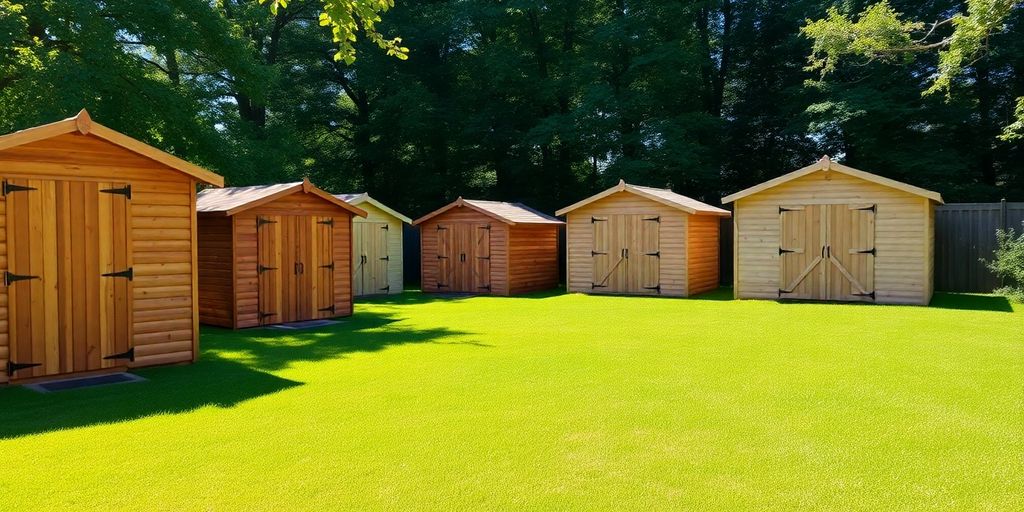
It’s easy to get lost in the details of shed styles and features, but let’s get practical. What size shed do you actually need? The answer depends on what you plan to store or do inside. Here’s a breakdown of common shed sizes and their typical uses.
Small Sheds For Essential Tools
Small sheds are your go-to for basic storage. Think of them as an outdoor closet. They’re perfect if you just need a spot for your lawnmower, gardening tools, and maybe a few seasonal decorations. We’re talking about sheds in the 6×8 to 8×10 range. They won’t take up much space in your yard, and they’re generally the most affordable option. If you’re tight on space or budget, a small shed is a solid choice. These are great for properties with limited yard space as well.
Medium Sheds For Diverse Storage
Stepping up in size, medium sheds offer more versatility. These are great if you need to store larger items like bikes, patio furniture, or even a small ATV. Sheds in the 10×12 to 12×16 range fall into this category. You’ll have enough room to organize your belongings without feeling cramped. Plus, a medium shed can double as a small workshop or hobby space. You can even consider adding shelving options to maximize vertical storage.
Large Sheds For Extensive Needs
If you’ve got a lot to store or big plans for your shed, a large shed is the way to go. These sheds, typically 12×20 and up, offer ample space for everything from storing a small boat to creating a full-blown workshop or home office. With a large shed, you can really customize the interior to suit your needs. Just remember to consider the impact on your backyard space and budget. These shed sizes can also be designed to store small tractors, built-in workbenches, ATVs, motorcycles, 4-5 bikes, lawn furniture, ladders, wheelbarrows, canoes, and gas grills.
Choosing the right shed size is a balancing act. You need enough space to accommodate your belongings and activities, but you also want to avoid overwhelming your backyard or breaking the bank. Take the time to assess your needs and measure your available space before making a decision.
Wrapping Things Up
So, picking out the right shed size isn’t just about finding something that fits in your yard. It’s about thinking through what you’ll actually use it for, how it’ll look with your house, and even what the local rules say. Take your time, do a little planning, and you’ll end up with a shed that works great for you, not just now, but for a long time to come. It’s totally worth the effort to get it right from the start.
Frequently Asked Questions
How do I pick the right size shed?
The best shed size depends on what you plan to use it for. A small shed (like 6×8 feet) is good for basic tools, while a larger one (like 10×12 feet or more) is better for workshops or offices. Think about what you’ll put inside and how much room you need to move around.
What’s the best way to measure my yard for a shed?
Before you buy, measure your yard carefully. Make sure you leave at least 2-3 feet of open space around all sides of where the shed will go. Also, check for things like trees, fences, or uneven ground that might get in the way. You can use string or spray paint to mark out the shed’s size on the ground to get a better idea.
Do I need a permit to build a shed?
Yes, you might! Many towns and cities have rules about how big a shed can be and where it can be placed without needing a permit. Homeowner associations (HOAs) also often have their own rules. It’s smart to check with your local city hall and HOA before you start building.
How can I make sure my shed looks good in my yard?
A shed should look good with your house and yard. A very small shed might look lost in a big yard, and a very big shed might make a small yard feel crowded. Try to pick a size and style that fits well with everything else on your property.
What features should I add to my shed to make it more useful?
Think about things like windows or skylights for light, wide doors for moving big items, and ramps for rolling equipment in and out. Inside, shelves, hooks, and pegboards can help you keep everything neat and easy to find.
What are common shed sizes for different uses?
For simple storage of garden tools or bikes, a small shed (6×8 or 8×10 feet) is often enough. If you need space for a riding mower, workbench, or lots of boxes, a medium shed (10×12 or 10×16 feet) works well. For a home office, gym, or serious workshop, you’ll want a large shed (12×20 feet or bigger).
Tags: Affordable Sheds, Long Lasting Sheds, Residential Shed Builder