
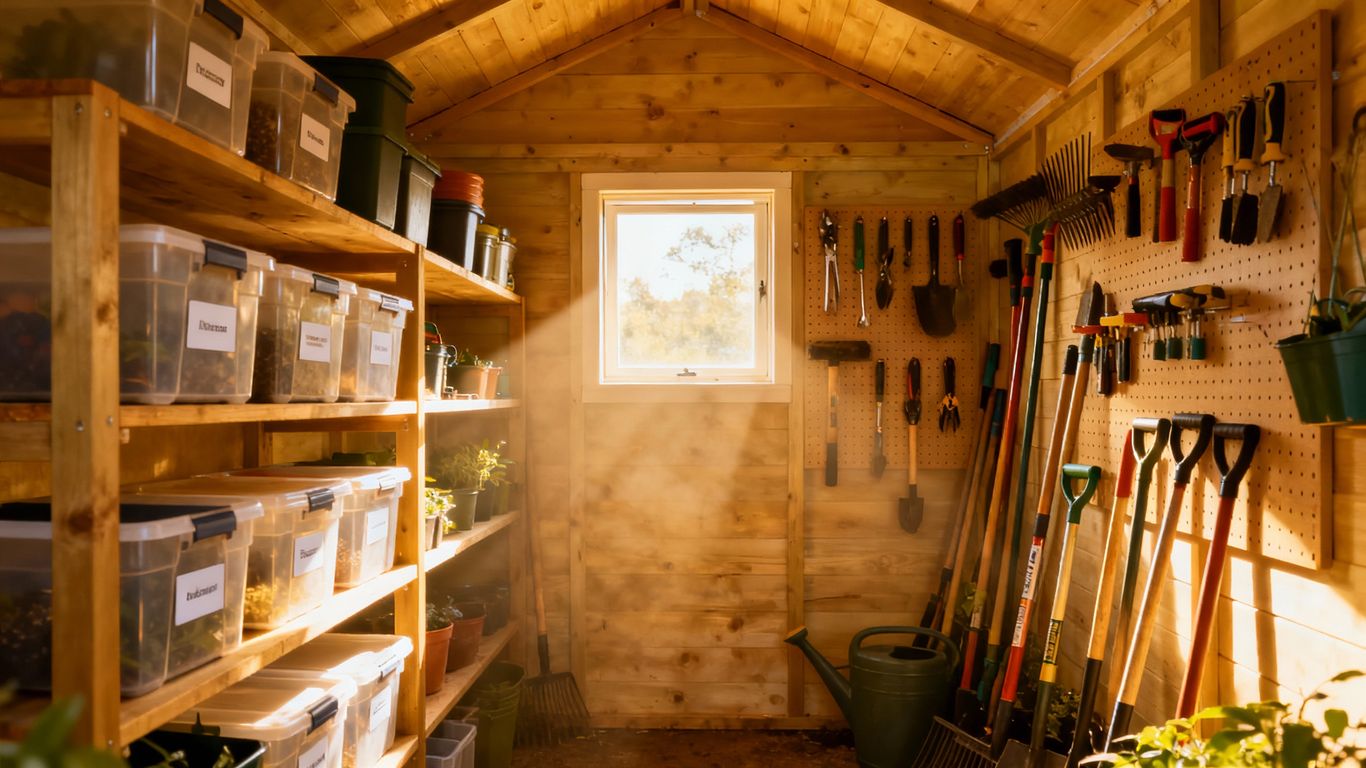
We all have that one space, right? The one where things go when we don’t know what else to do with them. For many of us, that space is the backyard storage shed. It can quickly become a jumbled mess, making it hard to find anything. Let’s talk about how we can turn that chaos into order with some practical backyard storage solutions.
Key Takeaways
- Start by clearing out everything, sorting items into keep, donate, or discard piles.
- Make the most of your shed’s height by using wall space for storage.
- Regularly spend a little time tidying up to keep your shed organized.
Decluttering Your Storage Space
Before we can even think about putting things away neatly, we have to tackle the mess. Our storage sheds often become dumping grounds for things we don’t know what to do with, or things we think we might need someday. This is the first, and arguably most important, step to getting your shed organized. If we don’t clear out the junk, any organizing we do will just be temporary.
Sort and Categorize Items
We need to take everything out, or at least work in sections if it’s too much to pull out all at once. As we go through items, we should group similar things together. Think tools, gardening supplies, sports equipment, seasonal decorations, and so on. This makes it easier to see what we have and how much of it. It also helps us identify duplicates or items that have been forgotten.
- Tools: Hammers, screwdrivers, wrenches, saws, etc.
- Gardening: Shovels, rakes, hoses, pots, soil bags.
- Sports: Balls, bats, rackets, nets, bikes.
- Seasonal: Holiday decorations, camping gear, winter coats.
- Miscellaneous: Old paint cans, random hardware, forgotten projects.
Donate or Discard Unused Items
Once we’ve sorted everything, it’s time to be honest about what we actually use. If an item is broken beyond repair, it needs to go in the trash or recycling. If it’s still usable but we haven’t touched it in years, consider donating it. Local charities, community centers, or even friends and family might be able to make good use of it. Don’t let ‘just in case’ items clog up your valuable shed space.
Here’s a simple way to decide:
- Have I used this in the last year? If not, seriously consider letting it go.
- Is it broken or in poor condition? If yes, discard or repair immediately.
- Do I have duplicates? Keep the best one and let the others go.
- Would someone else benefit from this more than I would? If yes, donate.
This process of decluttering isn’t just about making space; it’s about making conscious decisions about what we own and what we truly need. It’s a chance to lighten our load, both physically and mentally.
Implementing Smart Storage Solutions
Once we’ve cleared out the clutter, the next step is figuring out how to store what’s left. This is where we can really make our shed work for us. It’s not just about having a place for everything; it’s about making it easy to find and access things when we need them. We want to avoid that frustrating rummage through piles of stuff.
Utilize Vertical Space
Think upwards! Most sheds have a lot of unused wall space. We can put this to good use. Installing shelves high up can store seasonal items or things we don’t use often. We can also use wall-mounted racks for long tools like shovels and rakes, keeping them off the floor and out of the way. Even simple hooks can hold hoses, extension cords, or bags of soil. Maximizing vertical space is key to keeping the floor clear and making the shed feel bigger.
Invest in Shelving and Organizers
Good shelving makes a huge difference. We don’t need anything fancy, but sturdy shelves can hold bins, boxes, and smaller tools. We can get modular shelving units that we can adjust as our needs change. For smaller items, like nails, screws, or gardening gloves, clear plastic bins are great. Labeling these bins is a must; it saves so much time when we’re looking for something specific. We can also look into pegboards for hanging tools. They’re really handy for keeping frequently used items within easy reach.
We found that using a combination of open shelving for frequently accessed items and closed bins for less-used or messier things worked best for us. It keeps things tidy but also practical.
Here are some ideas for organizers:
- Wall-mounted cabinets: Good for protecting items from dust and keeping them out of sight.
- Tool racks: Specifically designed for garden tools, bikes, or sports equipment.
- Stackable bins: Great for maximizing space and keeping categories of items together.
- Drawer units: Perfect for small hardware or craft supplies.
- Pegboards: Versatile for hanging a variety of tools and small items.
Maintaining Your Organized Shed
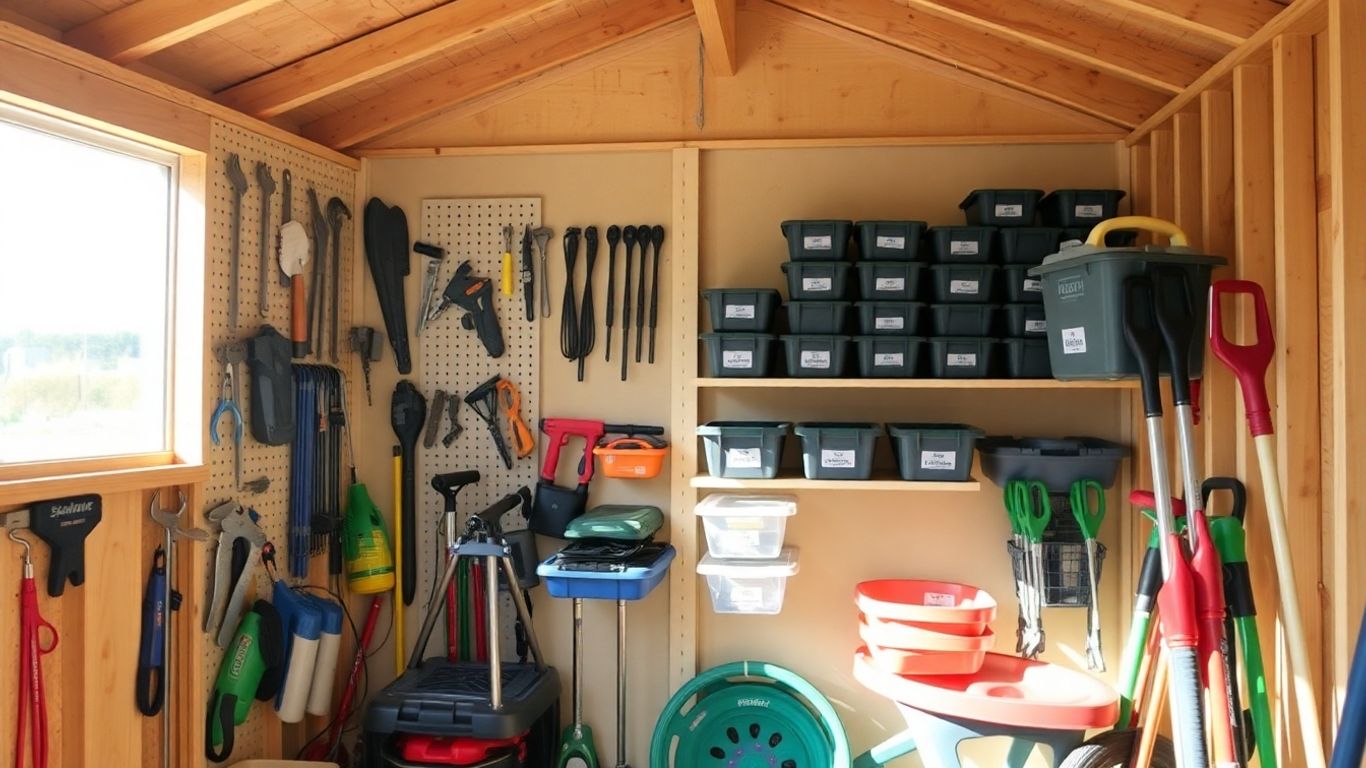
So, we’ve put in the work to get our shed looking spick and span. That’s great, but the real challenge is keeping it that way. It’s easy for things to get messy again if we’re not careful. We need a plan to keep our hard work from going to waste.
Regularly Tidy Up
This might sound obvious, but it’s the most important part. We should make it a habit to put things back where they belong right after we use them. Don’t just toss that rake back in the corner; hang it up. That shovel? Put it in its designated spot. A quick five-minute tidy-up at the end of each use can prevent a huge mess later.
We can also set aside a short time each month, maybe the first Saturday morning, for a more thorough tidy. This isn’t a deep clean, just a quick sweep to make sure everything is in its place and that no new clutter has started to build up. Think of it as a maintenance check for your shed.
- Put tools away immediately after use.
- Return garden supplies to their shelves.
- Sweep out any loose dirt or debris.
- Check for any items that have migrated from their proper homes.
A little bit of effort regularly saves a lot of work down the road. It’s like watering a plant; a little each day keeps it healthy, while neglecting it leads to wilting.
Protect Items from Elements
Our sheds are often home to things that don’t do well with moisture or extreme temperatures. We need to think about how we store these items to keep them in good shape. For metal tools, a light coat of oil can stop rust. Wooden handles should be checked for cracks and maybe treated with a wood preservative.
We should also pay attention to the shed itself. Check the roof for any leaks, especially after a big storm. Make sure the doors and windows seal properly to keep out rain and pests. If we have items that are particularly sensitive, like paint cans or certain chemicals, we might want to store them on shelves away from the floor, where they’re less likely to get wet if there’s a minor flood or spill.
- Inspect roofing and seals regularly for any damage.
- Store sensitive items on elevated shelving.
- Use plastic bins with tight-fitting lids for smaller items.
- Consider a dehumidifier if your shed is prone to dampness.
Putting It All Together
We’ve gone through the steps to get our storage shed in better shape. It might seem like a lot of work at first, but taking the time to sort things out really makes a difference. Now, when we need something, we can find it without a big fuss. Keeping up with it won’t take much time each month, and it’ll save us headaches down the road. A tidy shed means less stress and more time for other things. Let’s all try to keep our spaces organized!
Frequently Asked Questions
What’s the first step we should take to make our shed less cluttered?
To begin, we must first take everything out of the shed. This allows us to see all that we have. Then, we can sort items into groups, like tools, gardening supplies, or sports equipment. It’s also a great time to decide what we no longer need and can give away or throw out.
How can we make the most of the space in our shed?
We can use the walls to our advantage by adding shelves or hooks. Stacking bins or using wall-mounted organizers helps keep things tidy and easy to find. Thinking vertically means we can store more without taking up floor space, which keeps the area feeling open.
What should we do to keep our shed organized over time?
A little bit of tidying up regularly goes a long way. We should put things back where they belong after each use. Also, ensuring that items are protected from rain and pests will help them last longer and keep our shed in good shape.
Tags: Affordable Sheds, Long Lasting Sheds, Residential Shed Builder