
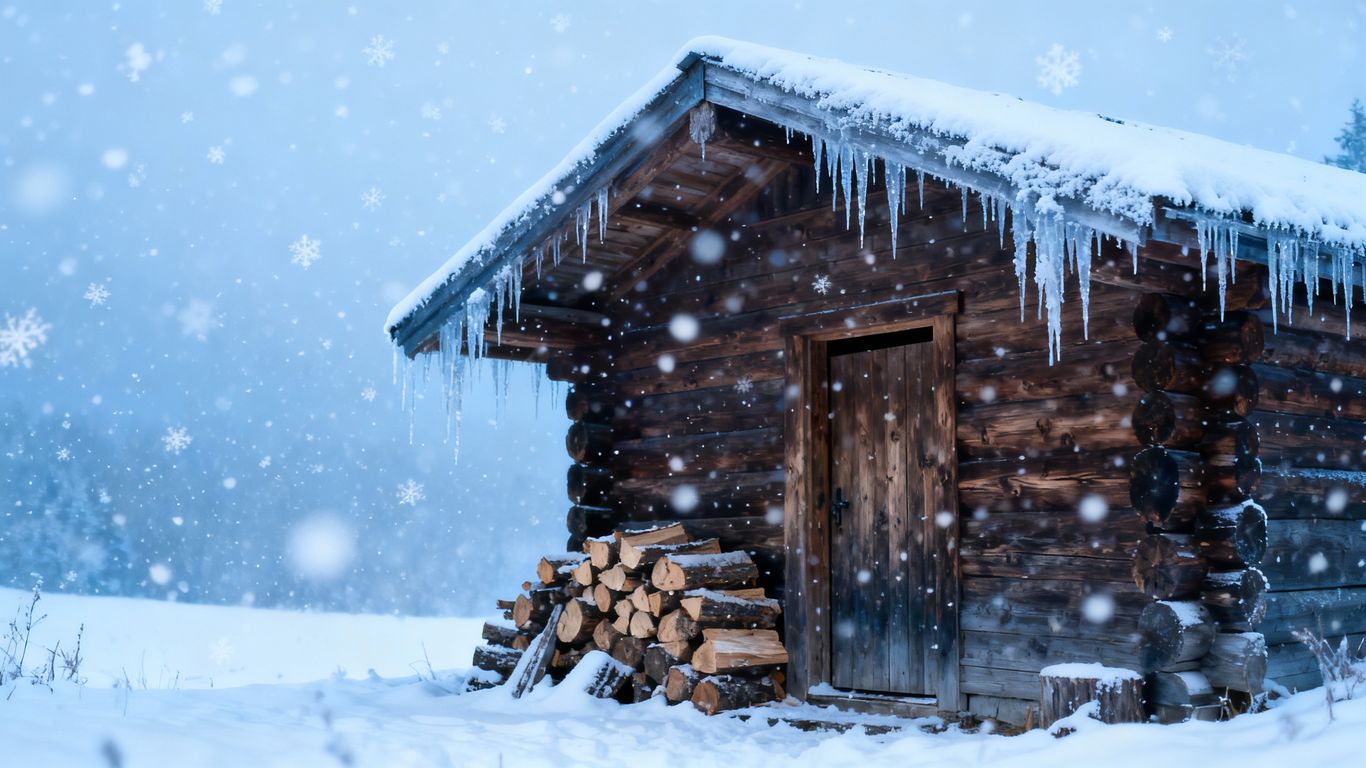
As the seasons change and winter approaches, we often think about preparing our homes, but what about our outdoor storage? Proper preparation of our winter storage sheds is important. We want to make sure they can handle the cold, snow, and wind. Let’s look at how we can choose the right materials to build or reinforce these structures so they last.
Key Takeaways
- When picking siding for your winter storage sheds, think about materials that can stand up to harsh weather, like vinyl or treated wood.
- The roof needs to be tough. Metal or asphalt shingles are good choices that will keep snow and rain out of your winter storage sheds.
- A strong base and frame are needed for winter storage sheds. Concrete piers or a gravel pad work well in cold places, and sturdy framing keeps everything together.
Protecting Your Winter Storage Shed From The Elements
When we think about storing our gear for the winter, we often focus on what goes inside the shed. But what about the shed itself? We need to make sure the structure can handle whatever winter throws at it. That means picking the right stuff for the outside.
Choosing Durable Siding Materials
The walls of your shed are the first line of defense against snow, ice, and wind. We want materials that won’t crack, warp, or rot when they get wet and then freeze. Some options are better than others for this.
- Vinyl Siding: This is a popular choice because it’s pretty low-maintenance and comes in lots of colors. It holds up well against moisture and doesn’t need painting. Just make sure to get a thicker gauge vinyl for better durability, especially in areas with heavy snow or strong winds.
- Wood Siding: If you like the look of wood, options like cedar or redwood are naturally resistant to rot and insects. However, they do require regular sealing or staining to keep them protected from the elements. Without this upkeep, wood can warp and decay over time.
- Fiber Cement Siding: This stuff is tough. It’s made from cement, sand, and cellulose fibers, so it’s resistant to moisture, rot, and even fire. It can mimic the look of wood but is much more durable. It’s a bit heavier and can be more work to install, but it lasts a long time.
We found that for our shed, the fiber cement siding offered the best balance of protection and longevity, even though it cost a bit more upfront.
Selecting Weather-Resistant Roofing
Just like the siding, the roof needs to be able to handle a lot of winter weather. Ice dams, heavy snow loads, and wind can all cause problems if the roof isn’t up to the task.
Here are a few good choices:
- Asphalt Shingles: These are common and affordable. Look for shingles rated for high winds and cold temperatures. Architectural shingles are generally thicker and more durable than 3-tab shingles.
- Metal Roofing: Metal roofs are excellent for shedding snow and ice. They are very durable and can last for decades. They are also resistant to wind damage. While the initial cost is higher, the longevity and low maintenance make them a solid investment.
- Rubber Roofing: For flatter shed roofs, rubber roofing (like EPDM) can be a good option. It’s waterproof and flexible, which helps it handle temperature changes without cracking. It’s also quite resistant to hail and impact.
When selecting roofing materials, always check the manufacturer’s specifications for wind resistance and snow load capacity. This information is key to making an informed decision for your specific climate.
We learned that a good roof isn’t just about keeping the rain out; it’s about preventing bigger issues like leaks and structural damage caused by accumulated snow and ice buildup. Choosing the right materials from the start saves us a lot of headaches down the road.
Foundation And Framing Considerations For Winter Storage Sheds
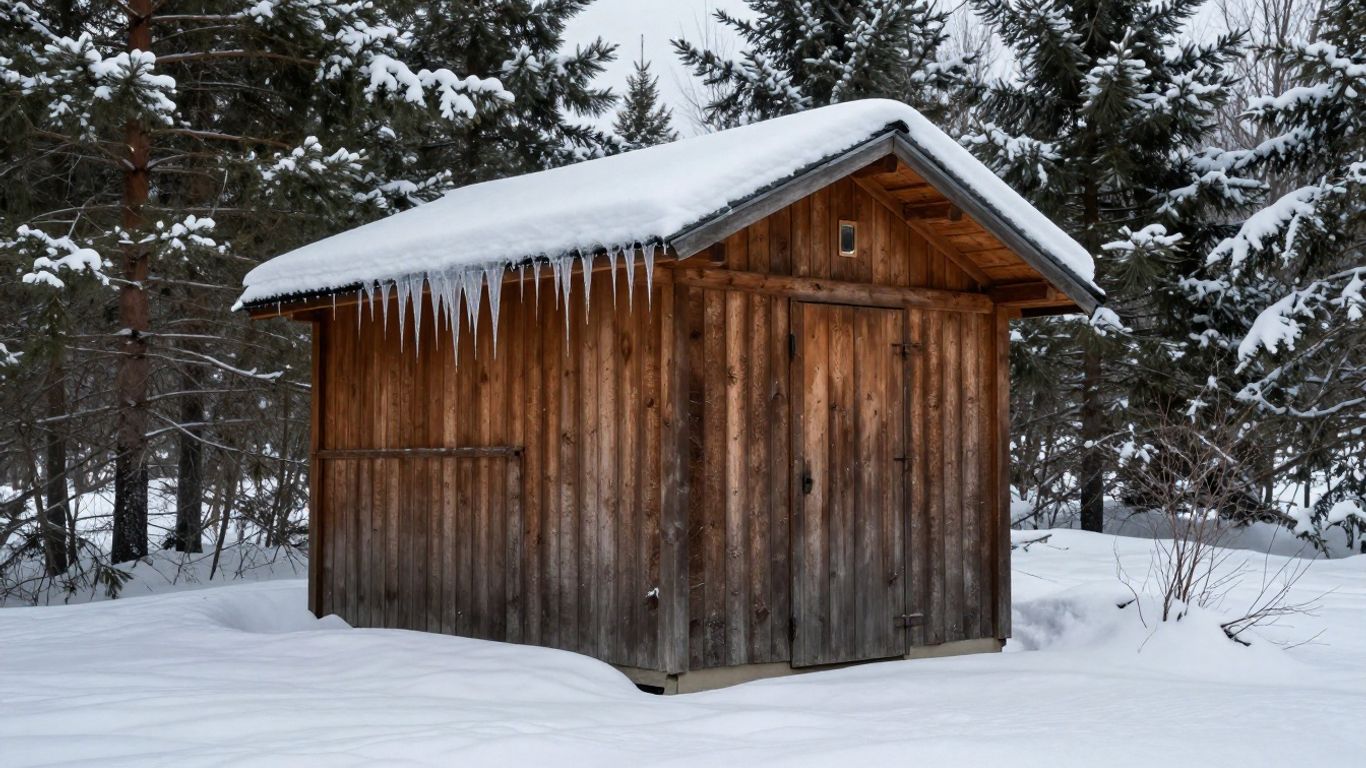
When we think about storing our winter gear, we often focus on the roof and walls, but the foundation and framing are just as important, especially when the cold really sets in. A solid base prevents shifting, and strong framing keeps everything stable.
Best Foundation Options For Cold Climates
Choosing the right foundation is key to a shed that lasts. In areas with freezing temperatures, we need to consider how the ground expands and contracts. Here are a few options we often look at:
- Concrete Slab: This is a popular choice because it provides a solid, level surface. We need to make sure it’s poured thick enough and has proper reinforcement to handle frost heave. It’s a good long-term solution.
- Concrete Piers: These are individual concrete supports sunk below the frost line. They lift the shed off the ground, which can help with drainage and air circulation. We usually space them out evenly to support the floor joists.
- Gravel Pad with Skids: For smaller sheds, a well-compacted gravel pad topped with pressure-treated lumber skids can work. This is a simpler, often less expensive option, but we must ensure the gravel is deep enough and well-drained to prevent water from pooling and freezing.
The goal is to keep the shed stable, no matter the weather.
Structural Integrity Of Framing
Once the foundation is set, the framing needs to be robust. This is what holds the shed together and supports the roof and walls. We pay close attention to:
- Material Choice: We typically use pressure-treated lumber for the base framing (sill plates and floor joists) because it resists rot and insects. For the walls and roof, standard dimensional lumber like 2x4s or 2x6s is common. The size of the lumber depends on the shed’s dimensions and expected snow load.
- Spacing: Proper spacing of studs and rafters is important. For areas with heavy snowfall, we might use closer spacing or larger dimension lumber for the roof framing to prevent sagging.
- Connections: How we join the pieces matters. Using appropriate fasteners like galvanized nails or screws, and sometimes metal connectors, adds significant strength. We also make sure wall studs are well-connected to the floor and roof framing.
We’ve found that taking the time to build a strong frame from the start saves a lot of headaches later. It’s about making sure the shed can handle the weight of snow on the roof and resist wind forces without buckling.
When we’re building, we always think about the long haul. A shed that’s built right from the foundation up will serve us well for many winters to come.
Wrapping Up Your Shed Project
So, we’ve gone over a lot of ground when it comes to picking the right stuff for your winter storage shed. It might seem like a lot to think about, but honestly, taking the time now saves a heap of trouble later. We want our sheds to stand up to the snow and cold, keeping our things safe and dry. Think about what you’re storing and what kind of weather your shed will face. A little planning goes a long way, and soon enough, you’ll have a shed that works for you, year after year. Happy building!
Frequently Asked Questions
What kind of outside walls are best for a shed that needs to last through winter?
We recommend looking into materials like vinyl or treated wood for your shed’s siding. These options hold up well against snow, ice, and wind, helping to keep your stored items safe and dry. They are also quite sturdy and won’t easily get damaged by harsh winter weather.
How do we make sure our shed’s roof can handle heavy snow?
To prepare your shed roof for winter, we suggest using shingles made for tough weather or metal roofing. These materials are designed to shed snow and ice effectively, preventing heavy build-up that could cause damage. Ensuring a proper slope also helps snow slide off more easily.
What’s the best way to build a shed foundation so it doesn’t get ruined by freezing ground?
For shed foundations in areas with cold winters, we advise using concrete piers or a gravel base. These methods help prevent the ground from shifting too much when it freezes and thaws. This keeps the shed stable and protects its structure from damage caused by ground movement.
Tags: Affordable Sheds, Long Lasting Sheds, Residential Shed Builder