
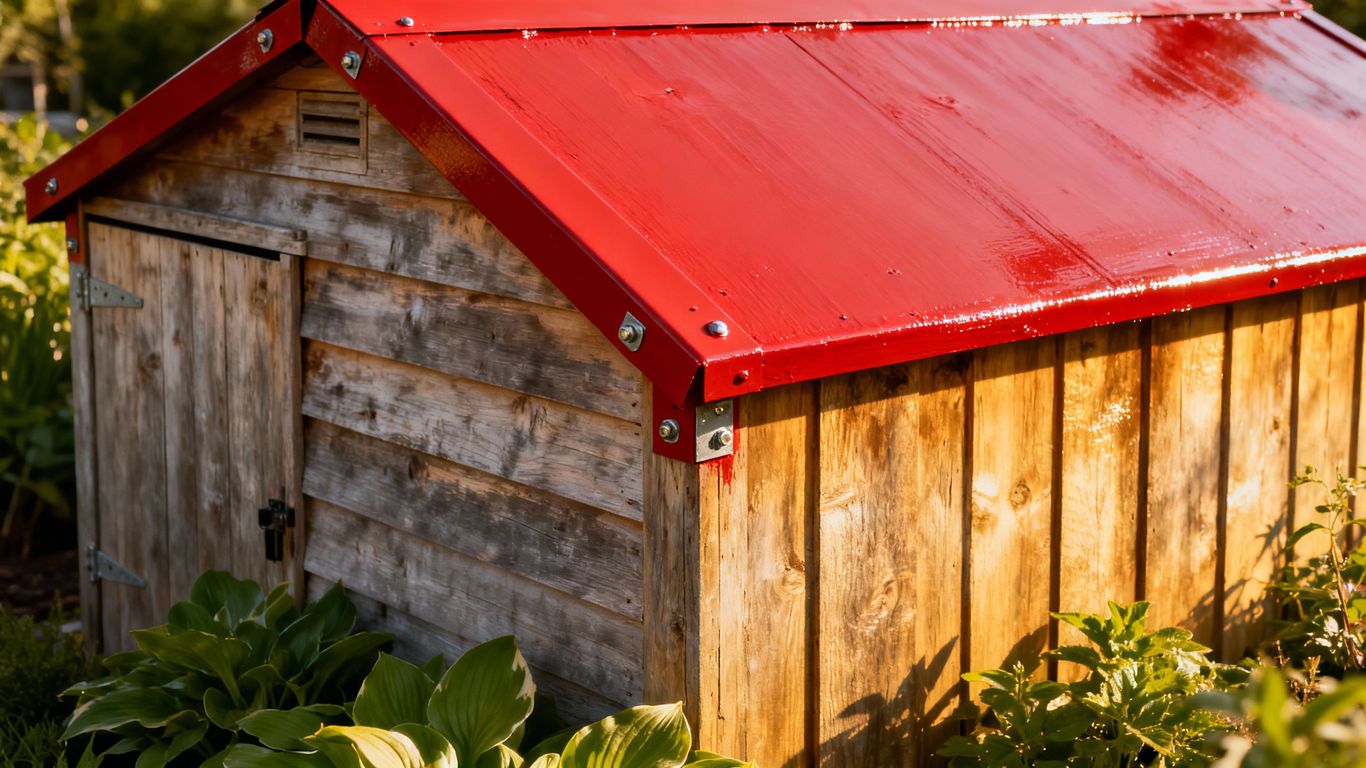
We all want our outdoor storage to last. Investing in durable residential storage sheds means we don’t have to worry about constant repairs. We’ve put together some straightforward methods to make sure your shed stands up to time and weather, keeping your belongings safe and sound.
Key Takeaways
- A solid foundation is the first step to a long-lasting shed.
- Protecting the exterior from rain and sun is important for longevity.
- Checking and reinforcing doors and windows adds to the shed’s overall strength.
Fortify Your Shed’s Foundation
A shed’s foundation is its bedrock, quite literally. If that base isn’t solid, the whole structure is at risk. We need to pay close attention to this part to make sure our shed lasts. A good foundation stops the shed from settling unevenly, which can warp the floor and put stress on the walls and roof.
Prepare The Ground For A Stable Base
Before we even think about putting anything down, we have to get the ground ready. This means clearing the area of any grass, weeds, or roots. Roots can grow and push up on the foundation over time, causing problems. We should also level the ground as much as possible. A slight slope away from the shed is good for drainage, but a lopsided base is a recipe for disaster. We can use a shovel and a level for this. If the soil is very soft, we might need to add a layer of gravel and compact it. This gives us a firmer surface to build on.
Choose The Right Foundation Material
There are a few common options for shed foundations, and picking the right one depends on your shed size, the ground conditions, and your budget.
- Concrete Slab: This is a very strong and durable option. It provides a completely level and solid surface. However, it’s also the most expensive and labor-intensive. Pouring concrete requires some skill, and you need to make sure it’s properly cured.
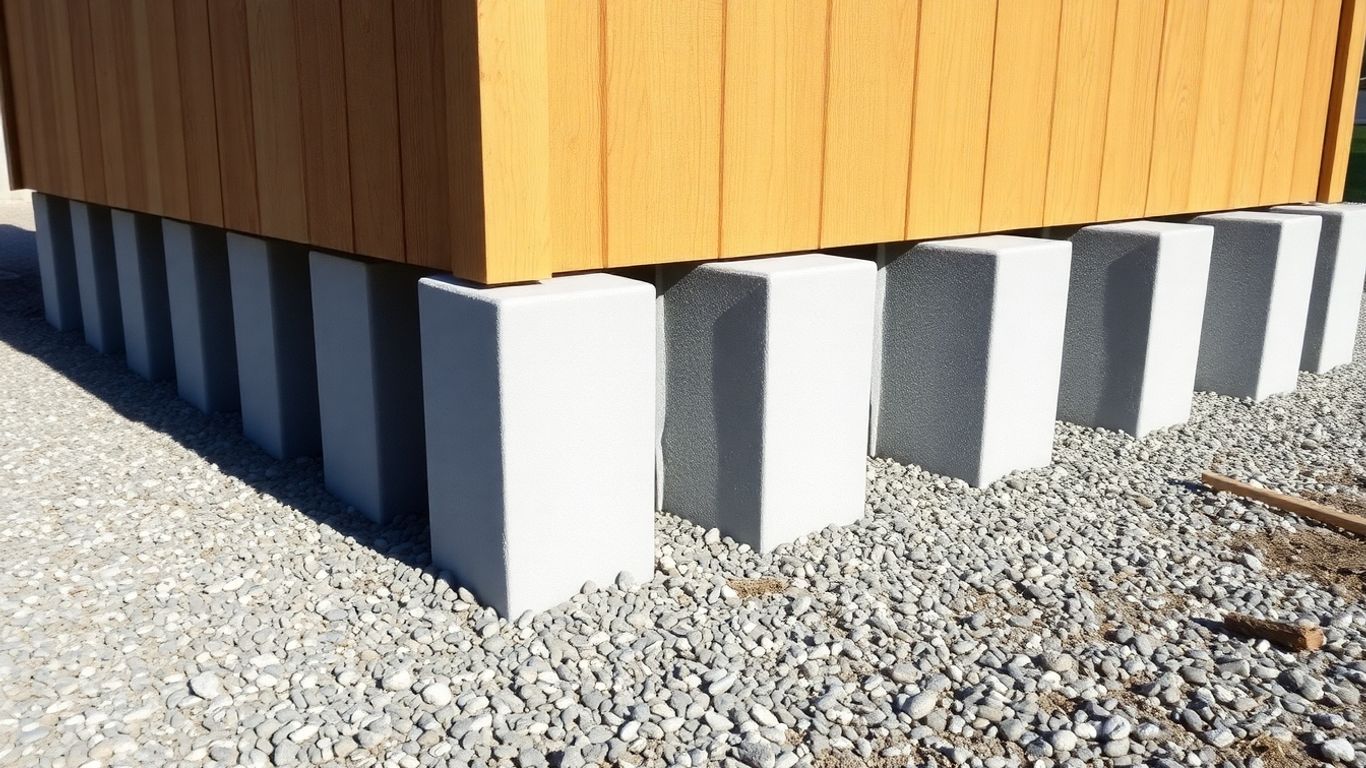
- Concrete Blocks: Using concrete blocks placed on a prepared gravel bed is a simpler and more affordable choice. We can adjust the height of the blocks to level the shed. It’s important to make sure the blocks are set on firm, level ground, often with a layer of compacted gravel underneath each one.
- Gravel Pad: For smaller sheds or in areas with good drainage, a simple gravel pad can work. We dig out the area, lay down landscape fabric to stop weeds, and then fill it with compacted gravel. This is the easiest and cheapest option, but it might not be stable enough for larger or heavier sheds.
We found that for our medium-sized garden shed, a well-compacted gravel base topped with concrete deck blocks offered the best balance of stability, cost, and ease of installation. It kept the shed off the damp ground and provided a firm footing without the expense of a full concrete slab.
The key is to ensure whatever material we choose, it’s properly installed and level. This will save us a lot of headaches down the road.
Protecting Your Shed From The Elements
We all want our sheds to last, right? Well, a big part of that is keeping the weather from getting in and doing its worst. Think about it – rain, sun, snow – they all take a toll over time. We need to be proactive about this.
Seal and Treat the Exterior Wood
Wood is great, but it’s also a magnet for moisture and UV rays. If we don’t protect it, we’ll see rot, warping, and fading pretty quickly. The first step is to give the exterior a good cleaning. Get off any dirt, mildew, or old finishes. Once it’s clean and dry, we can apply a good quality sealant or stain. These products soak into the wood and create a barrier. We should aim to reapply this treatment every couple of years, or whenever we see water starting to bead up on the surface. A well-sealed shed will stand up to the weather much better.
Install Proper Roof Drainage
Our shed roofs are designed to shed water, but if the gutters or downspouts aren’t working right, that water can pool up or run down the sides. This is bad news for the foundation and the walls. We should check our gutters regularly for blockages, like leaves or debris. If your shed doesn’t have gutters, we might consider adding them. They direct water away from the shed’s base. We also need to make sure the ground around the shed slopes away from it. This helps prevent water from collecting near the foundation.
Proper water management is key. If water sits around your shed, it can seep into the wood and cause problems we really want to avoid.
Reinforce Key Structural Components
When we talk about making a shed last, we can’t forget about the parts that take a beating. The doors and windows, for instance, are often the first things to show wear and tear. They get opened and closed constantly, and they’re also prime targets for wind and weather trying to sneak in. Strengthening these areas is a smart move for the overall health of your shed.
Strengthen Door and Window Frames
Let’s start with the door. If the frame feels a bit loose or the door itself sags, it’s a sign that it needs some attention. We can add some extra bracing to the frame, especially at the corners where it meets the shed walls. Using longer screws or even metal corner brackets can make a big difference. For the door itself, check if the hinges are still tight. If they’re pulling away from the wood, we might need to fill the old screw holes with wood filler or dowels and then re-drill. Sometimes, adding a second set of hinges can distribute the weight better, stopping that sag before it gets bad.
For windows, the frames are just as important. If they’re made of wood, we want to make sure they’re sealed up tight against rain. Any gaps can let moisture in, which leads to rot. We can apply a good quality exterior caulk around the edges where the window frame meets the shed siding. If the frame itself looks weak, especially if it’s an older shed, we might consider adding some small wooden blocks or metal L-brackets to the inside corners of the frame for extra support. This is especially true if you live in an area with strong winds.
Here are a few things we can do:
- Check the door hinges and tighten or replace them as needed.
- Add corner braces or metal brackets to the door frame.
- Seal any gaps around window frames with exterior caulk.
- Consider adding extra support to window frames with small blocks or brackets.
Making sure the door and windows close properly and feel solid when you use them is a good indicator that their frames are holding up well. It’s a simple check that tells us a lot about the shed’s structure.
We should also think about the latch or lock mechanism. A sturdy lock not only keeps things secure but also helps keep the door pulled snugly into the frame, reducing stress on the hinges and frame itself. If the latch feels flimsy, upgrading it can add to the overall durability.
Wrapping Up: Keeping Your Shed Strong
So, we’ve looked at a few ways to make sure your shed stands up to the weather and lasts a good long time. It’s not about doing anything super complicated. Simple things like checking the roof for leaks or making sure the paint is in good shape can really make a difference. We think that by taking these small steps, you can avoid bigger problems down the road. Your shed will be a reliable spot for your tools and gear for years to come. It’s worth the little bit of effort, really.
Frequently Asked Questions
What is the most important step we can take to make our shed last longer?
Ensuring a solid foundation is absolutely crucial. We must prepare the ground well to create a stable base, preventing the shed from shifting or settling unevenly over time. This initial step sets the stage for the entire structure’s longevity.
How can we best shield our shed from rain and sun?
To keep our shed in good shape against weather, we should focus on sealing and treating the outside wood. This creates a barrier against moisture and UV rays. Additionally, installing a good roof drainage system, like gutters, will direct water away from the shed’s walls and foundation, preventing rot and damage.
Are there specific areas of the shed we should pay extra attention to for reinforcement?
Yes, indeed. We should definitely strengthen the door and window frames. These are often points of stress and can become weak over time. By reinforcing them, we improve the shed’s overall sturdiness and security, making it more resistant to wear and tear.
Tags: Affordable Sheds, Long Lasting Sheds, Residential Shed Builder