
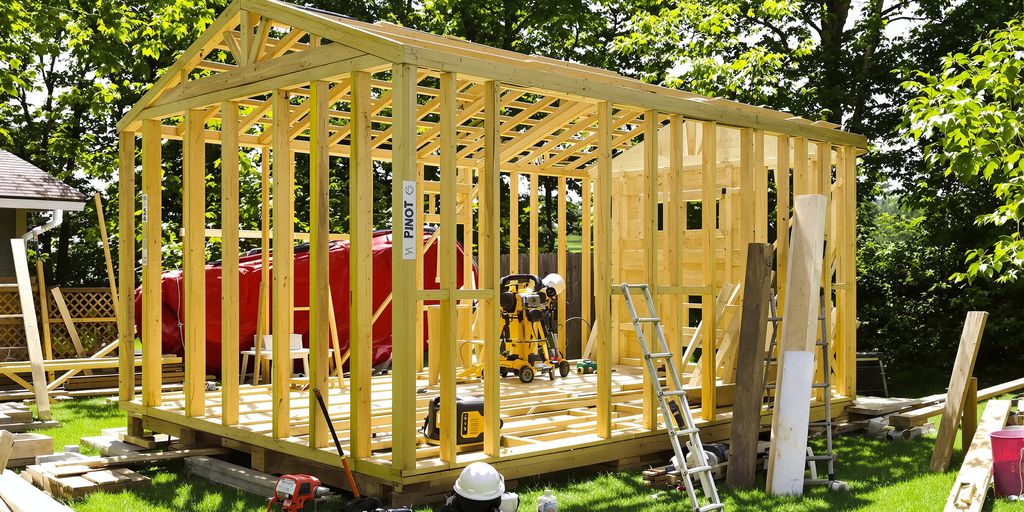
As the days get longer and warmer, many of us start thinking about how to better organize our homes and yards. For those of us with a lot of gear, tools, or seasonal items, a backyard shed can be a great solution for outdoor storage. We’re looking at the good and the not-so-good aspects of putting one up during the summer months.
Key Takeaways
- Installing a shed in summer offers good opportunities for outdoor storage, especially with longer daylight hours and generally better weather for building.
- However, summer heat can make the building process tough, potentially leading to exhaustion and the need for frequent breaks.
- We also need to consider how high temperatures might affect building materials, possibly causing warping or other issues if not handled carefully.
Maximizing Outdoor Storage Solutions During Warm Weather
As the days grow longer and the sun shines brighter, summer presents a prime opportunity for us to tackle outdoor projects, and installing a backyard shed is high on many lists. This season offers distinct advantages for getting that extra storage space set up. We can really make the most of the warm weather to get this done.
Benefits of Summer Shed Installation
Summer’s extended daylight hours mean we have more time to work on the shed project after our regular workdays. The generally dry conditions are also a big plus, reducing the chances of delays due to rain or mud. Plus, with more people spending time outdoors, it’s a good time to get the shed built and ready for use before the cooler months arrive.
- Longer daylight hours provide more working time.
- Dry weather minimizes construction disruptions.
- Get storage ready before fall.
Ideal Conditions for Building
We find that summer’s mild temperatures, especially in the early morning or late afternoon, are quite comfortable for physical labor like building. The ground is typically firm, making it easier to prepare the site and lay a foundation. It’s also easier to get deliveries of materials when the weather is good.
We should plan our work around the hottest parts of the day to stay safe and keep our materials in good shape. Early mornings and evenings are our best friends for this kind of work.
Here are some things we should consider for a smooth summer build:
- Site Preparation: Ensure the ground is level and well-drained. Summer showers can still happen, so good drainage is key.
- Foundation: Whether it’s concrete or a gravel base, summer’s dry spell helps it cure properly.
- Assembly: Having clear, dry days makes putting together the shed kit or framing much simpler.
Navigating the Challenges of Summer Shed Projects
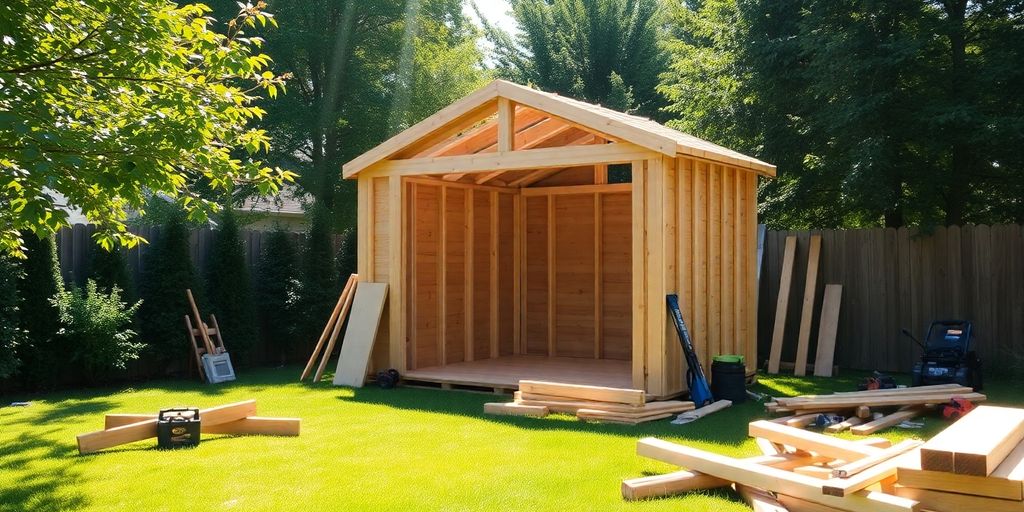
While summer offers some advantages for shed building, we must also acknowledge the difficulties that can arise during this season. Working in high temperatures presents its own set of challenges that can slow down progress and affect the quality of our work. We need to be prepared for these issues to avoid common pitfalls.
Heat-Related Installation Hurdles
Installing a shed in the summer heat can be quite taxing. The intense sun and high humidity can lead to fatigue, making it harder to concentrate and perform tasks accurately. We might find ourselves taking more frequent breaks, which can extend the project timeline. Dehydration is also a serious concern; we need to make sure we’re drinking plenty of water throughout the day. Working with materials like treated lumber can also be uncomfortable, as they can feel sticky or release fumes in the heat. It’s important to plan our work for cooler parts of the day, like early mornings or late afternoons, to mitigate these effects.
Potential for Material Degradation
Summer’s heat and sun can also impact the materials we use for our shed. For instance, certain adhesives or sealants might dry too quickly in the heat, reducing their effectiveness or making them difficult to apply properly. Wood, if left exposed to direct sunlight for extended periods before assembly, can warp or crack. We also need to consider how paint or stain will react; rapid drying can sometimes lead to an uneven finish. Storing materials properly, perhaps under a tarp or in a shaded area, is key to preventing premature damage. We should also check the recommended application temperatures for any finishes we plan to use, as many products have specific guidelines to avoid issues like blistering or poor adhesion.
- Pacing ourselves: Don’t try to do too much in one go. Break the work into manageable chunks.
- Hydration: Keep water bottles handy and drink regularly, even if you don’t feel thirsty.
- Timing: Schedule the most physically demanding tasks for the cooler parts of the day.
- Material care: Store lumber and other sensitive materials out of direct sunlight.
We must be mindful that the summer environment, while pleasant for outdoor activities, can introduce complications into construction projects. Proper planning and awareness of these potential issues will help us achieve a successful build.
So, Should We Build a Shed This Summer?
We’ve looked at the good and the not-so-good of putting up a backyard shed when it’s warm out. On one hand, the weather is usually great for working outside, and getting it done before fall feels pretty good. But then there’s the heat, which can make the work tough, and sometimes, the cost can add up faster than we expect. It really comes down to what we need the shed for and how much we’re willing to put into it. If we’re ready for the sweat and the potential bills, summer can be a good time to get it done. Otherwise, maybe we wait for a cooler season or a better deal.
Frequently Asked Questions
Why is summer a good time to build a shed?
We find that building a shed in the summer is often easier because the weather is usually dry and sunny, making it simpler to work outside without interruption. Plus, longer daylight hours give us more time to get the job done.
What are the main difficulties we might face when building a shed in the summer?
Working in the heat can be tough. We need to make sure everyone stays hydrated and takes breaks to avoid getting too hot. It’s also important to protect ourselves from sunburn.
How can we protect our shed materials from the summer weather?
We should be mindful that some building materials, like wood or paint, can be affected by intense sun and heat. We might need to store them in a cool, shaded spot before we use them, and perhaps use special finishes to protect them.
Tags: Affordable Sheds, Long Lasting Sheds, Residential Shed Builder